





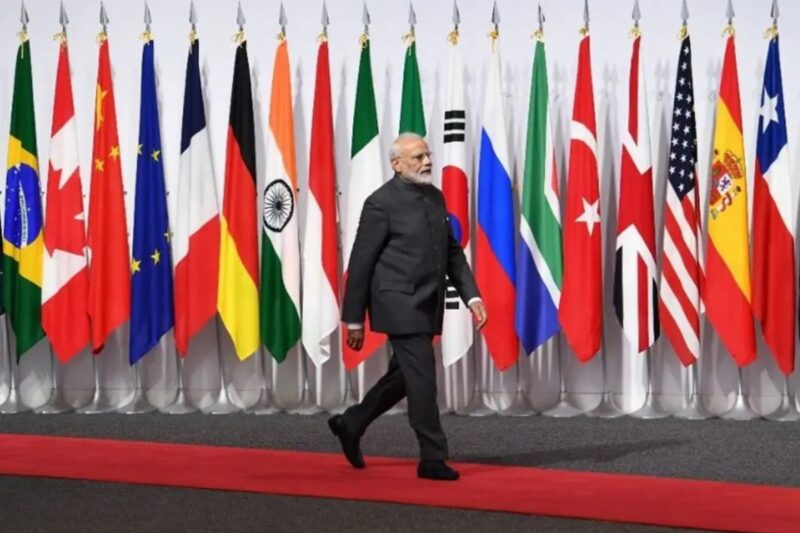
Following the BRICS Foreign Ministers’ Meeting in New Delhi under India’s 2026 chairmanship, the diplomats fast-tracked discussions on a cross-border retail payment pilot framework inspired by India’s payment infrastructure, the Unified Payments Interface (UPI).
The model will work in such a way that a business enterprise in India can receive rupees instantly when a buyer in South Africa pays in rand. This instant payment is similar to UPI and gives the national currencies of the BRICS nations a boost. The pilot phase is yet to begin, and could be formalized in the upcoming summit in New Delhi.
The BRICS alliance is moving its de-dollarization agenda from political rhetoric into a concrete, technological reality. Critically, this upcoming payment architecture is heavily modeled on India’s revolutionary UPI and Brazil’s PIX, signaling a massive shift toward bypassing traditional Western banking networks entirely.
BRICS is now moving away from settling payments in local currencies and focusing on new cross-border settlements inspired by UPI. The pilot testing phase will focus on interoperability, as it links national currencies to Central Bank Digital Currencies (CBDCs). All the currencies of the member nations are likely to be linked to the payment mechanism.
Also Read: BRICS Accelerates Dollar Exit, Yuan Settlements Jumps To $214 Billion
UPI-Inspired Payment Service Can Change the Way BRICS Operates Trade and Transactions
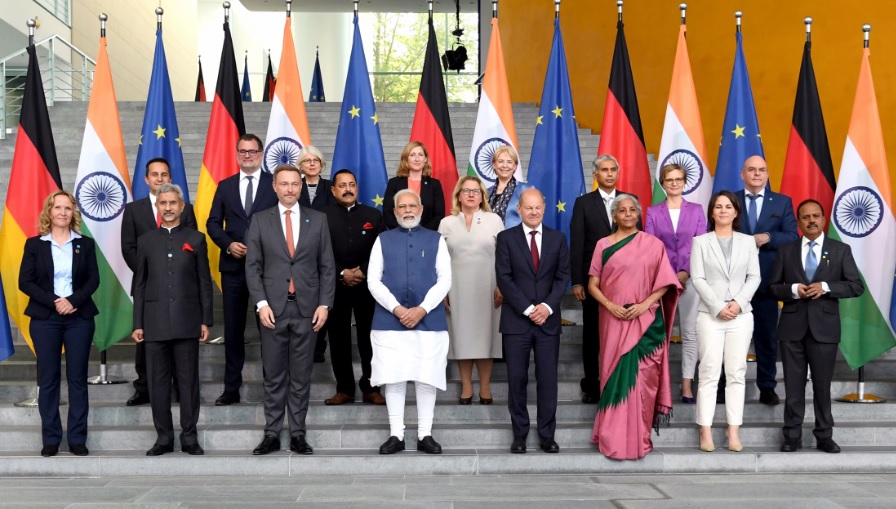
Settling cross-border transactions through the UPI-inspired system can save BRICS tons of money in exchange costs. The old world regime accepted the US dollar, then converted it into local currencies. This process involves conversion costs, which eat up a large share of the revenue received by a respective business.
If the US dollar is not involved, the conversion cost is mostly nil or remains extremely affordable. A UPI-inspired BRICS payment system will give the alliance a boost in trade. Cross-border trade will be exponentially cheaper and faster, and is a much better alternative than launching a BRICS currency, which is unfeasible.