





Indonesia has allocated $1 billion to the New Development Bank, and this marks a significant step for Southeast Asia’s largest economy in its engagement with the BRICS bloc. The country formally joined BRICS back in January 2025, seeking alternative markets at a time when US President Donald Trump’s tariffs were threatening access to American markets. This contribution from Indonesia to the BRICS Bank strengthens what’s being called the Global South economy’s financial infrastructure right now, while also supporting ongoing de-dollarization efforts across member nations.
Also Read: BRICS ‘Stuck Rupees’ Solved With Russia–India National Currency Pivot
How BRICS Bank Indonesia Funding Accelerates De-Dollarization Efforts
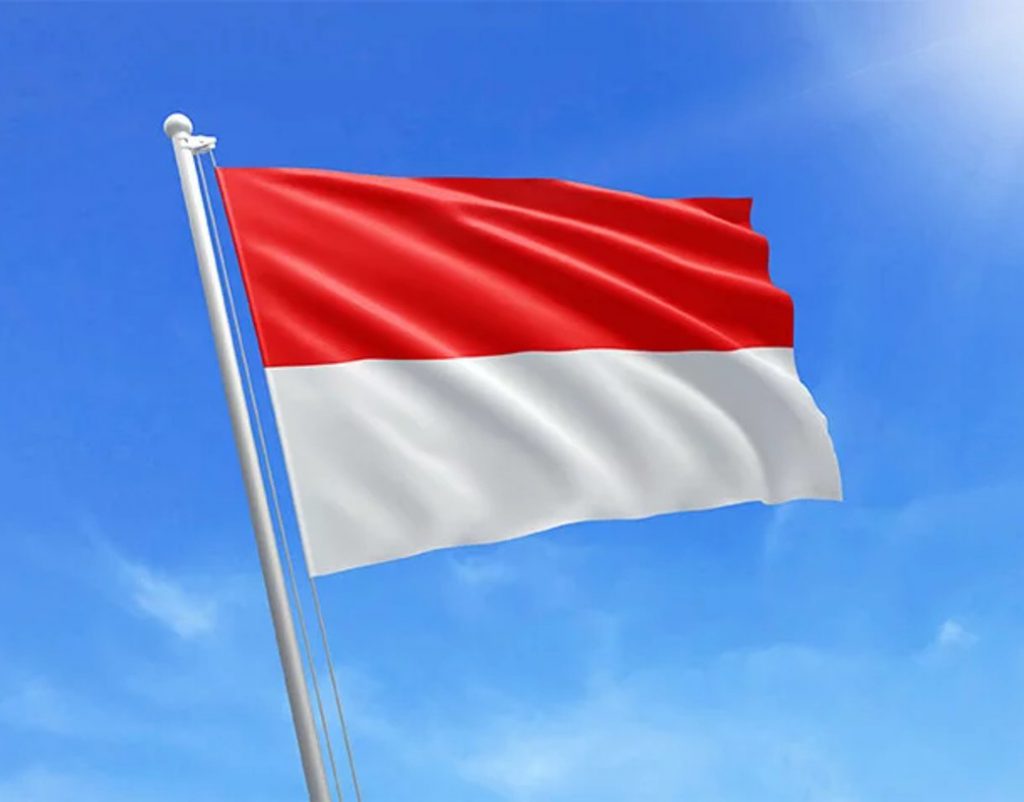
Indonesia Confirms $1 Billion Allocation to BRICS Bank
Coordinating Minister for Economic Affairs Airlangga Hartarto made the announcement during a national leadership meeting of the Chamber of Commerce and Industry in Jakarta on December 1, 2025. Indonesia expects its contribution to the New Development Bank to help fund sustainable development projects across the bloc, and Jakarta sees this as demonstrating its commitment to strengthening cooperation among developing nations.
Airlangga Hartarto was clear about the fact that:
“Indonesia’s joining is also followed by joining the New Development Bank, and the government has agreed to provide US$1 billion for investment in the New Development Bank.”
The minister reiterated that through joining the BRICS Bank, Indonesia now forms an active part in the preparation of the New Development Bank. Observers see the move as Indonesia’s overall strategy to balance its economic relationships between major powers, along with securing benefits from emerging multilateral institutions that operate outside traditional Western-dominated frameworks
New Development Bank Structure and Indonesia’s Strategic Projects
Current president Prabowo Subianto who assumed power in October 2024 has been seeking to have Indonesia gain greater prominence on the international scene without altering the non-aligned foreign policy of the country. Indonesia announced their intentions to join the New Development Bank, during a visit by Prabowo to the president of the bank, Dilma Rousseff in March 2025.
The bank holds 100 billion in authorized capital and the five founding members—Brazil, Russia, India, China and South Africa—currently control 94 percent of subscribed shares. The New Development Bank has financed some $39 billion to date, allocating it across 120 projects in transport infrastructure, clean energy, and sustainability. Other members include Bangladesh, the United Arab Emirates, Egypt, and Algeria with subscribed capital ranging between 1.04 and 2.24 percent.
NDB President Dilma Rousseff stated:
“Indonesia is an important country in the region and worldwide.”
Rousseff also praised Indonesia’s achievements in the biofuels sector during her visit:
“Indonesia is a leading country in biofuels such as biodiesel, with an achievement of 40 percent. I am very impressed with this.”
De-Dollarization Challenges and Dollar Dominance
The BRICS de-dollarization trend has gained momentum among member countries, though varying national interests have limited achievements. The bloc plan is to minimize the US dollar dependency by enhancing trade payments in the domestic currencies and create alternative payment systems.
An example is China and Russia where they are now doing the vast majority of bilateral trade in yuan and rubles without using the dollar at all. Nevertheless, the US dollar remains the most important in the global financial markets since it controls approximately 90 percent of the foreign exchange dealings and approximately 48 percent of the SWIFT payments as of 2024. Other central banks are diversifying their reserves away from their dollar holdings, though the greenback remains well positioned. Reserve Bank of India has even explained that it is not the aim of India to de-dollarize as an aspect of the BRICS Bank membership.
Also Read: BRICS Suffering From Trump ‘Appeasement’ Syndrome
This has strained the BRICS bloc with President Trump threatening to impose at least 100 percent tariffs on the BRICS states in case they continue with their common currency plans. As a result of these threats, Brazilian President Luiz Inacio Lula da Silva, in fact, took the common currency concept off the 2025 BRICS presidency agenda of Brazil.
Diversifying the Economic Relationships of Indonesia
The Indonesian contribution of 1 billion to BRICS Bank and the presence of the country in a new system of financing banks, the New Development Bank, are all the steps of diversifying the economic relationships of Indonesia. For the Global South economy, this development strengthens alternative financial architecture and provides access to funds without the policy conditions Western-led institutions like the IMF typically impose.
The allocation also brings opportunities to the financing of 77 national strategic projects of Indonesia, including infrastructure development, improvement of digital connectivity, and energy transition projects. Although there are important obstacles to full de-dollarization of the BRICS Bank Indonesia membership, such as the insistent presence of the dollar and the absence of a coherent approach among the members, the growth of the bloc and the involvement of Indonesia in it are an indication of an increasing interest in developing more balanced global financial regimes by the developing countries today.