





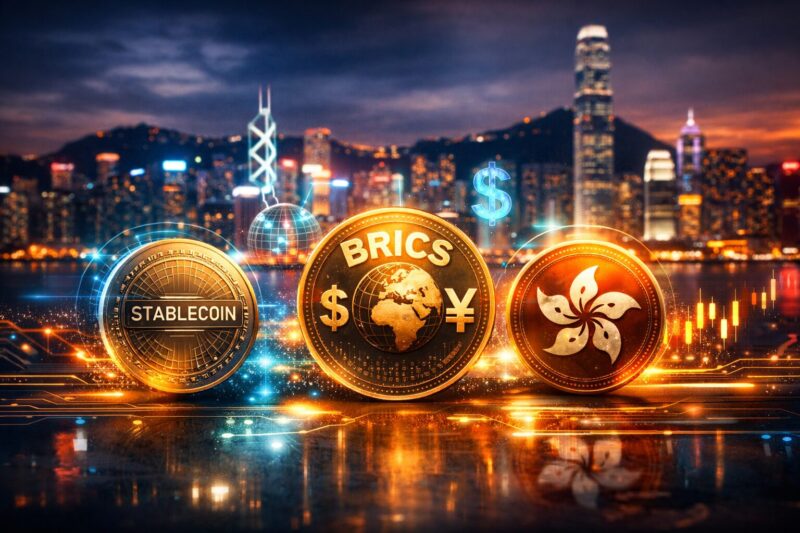
The issuance of Hong Kong crypto licenses in March 2026 comes despite mainland China maintaining its cryptocurrency ban. The Hong Kong Monetary Authority has catalyzed various major regulatory assessments across 36 applications, and this is happening right now. Broader concerns about BRICS de-dollarization are affecting the BRICS US dollar relationship, which positions Hong Kong digital finance at an interesting crossroads. Hong Kong crypto licenses represent significant development in stablecoin regulation and mark a bold step forward in regulated digital assets.
Also Read: BRICS: Yuan Hits 2023 High vs Dollar After China Limits US Bonds
Stablecoin Regulation And BRICS Dollar Shift Fuel Hong Kong Digital Finance
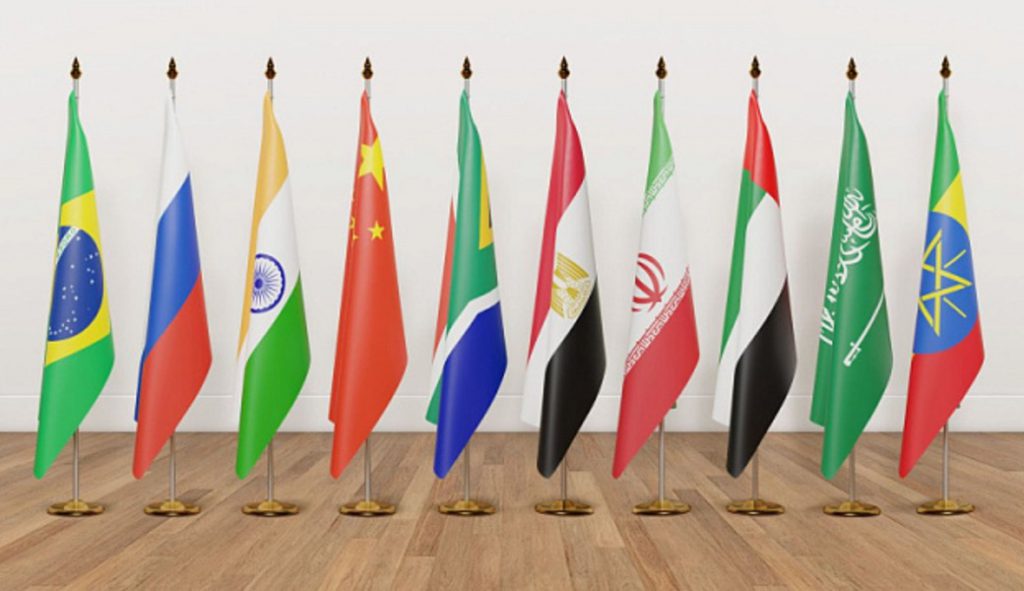
Hong Kong Crypto Licenses Target March Despite Beijing Opposition
HKMA Chief Executive Eddie Yue confirmed the timeline at a Legislative Council meeting on February 2, and he was pretty clear about the approach. Through several key strategic frameworks, the authority has engineered a cautious licensing process. At the time of writing, Yue stated:
“Only a very small number of licenses will be granted in the initial round, underscoring prudence and financial stability.”
The Stablecoins Ordinance passed in May, and the stablecoin regulation framework took effect in August, with the process advancing since then. Across several major financial institutions including Standard Chartered, Animoca Brands, and Ant Group’s digital technology unit, Hong Kong crypto licenses have attracted considerable interest. The applications have come from diverse industry leaders, and Yue also noted during his remarks:
“The HKMA has received 36 applications for stablecoin licenses in the first round and is currently conducting detailed assessments.”
Hong Kong’s digital finance initiative is advancing despite China’s 2021 crypto ban, and eight Chinese regulatory bodies recently reaffirmed restrictions. Through various major policy developments, Hong Kong issues crypto licenses under a separate regulatory framework from mainland China.
BRICS De-Dollarization Concerns Complicate Hong Kong Crypto Licenses

Monique Taylor, an academic from the University of Helsinki, explained China’s resistance to Hong Kong crypto licenses in terms that highlight broader geopolitical tensions, and she stated:
“Stablecoins challenge [Beijing’s] state control over money, payments and capital flows, and therefore sit uneasily with China’s state-centered model of monetary governance, which prioritizes oversight and domestic financial stability.”
Beijing is particularly concerned about dollar-backed stablecoins that could strengthen the BRICS US dollar dominance amid ongoing BRICS de-dollarization efforts taking place right now. Across several key bilateral relationships, this concern has intensified strategic discussions. Russian President Vladimir Putin articulated similar sentiments about the dollar’s role, and he mentioned during a recent event:
“We are not refusing, not fighting the dollar, but if they don’t let us work with it, what can we do? We then have to look for other alternatives, which is happening.”
The BRICS de-dollarization push has accelerated in 2026, with BRICS nations settling over 85% of their mutual trade in local currencies. Through numerous significant market shifts, the BRICS US dollar relationship is creating ripples across global finance, and Hong Kong digital finance finds itself at an interesting crossroads.
Also Read: Russia Clarifies BRICS Currency Not on Agenda
Limited Rollout Balances Innovation With Risk
Hong Kong digital finance officials are emphasizing a cautious approach to Hong Kong crypto licenses rollout, and this strategy makes sense given the complex regulatory environment. Financial Secretary Paul Chan has instituted various major policy frameworks describing Hong Kong’s strategy as “responsible and sustainable.” The March approvals will focus on firms demonstrating strong anti-money laundering controls and also robust reserve backing mechanisms, and officials position stablecoin regulation as infrastructure development.
Regulators worldwide will watch the March licensing decisions closely, as Hong Kong positions itself as a bridge between traditional finance and digital assets. Through several key strategic initiatives, this approach to stablecoin regulation represents a careful balancing act amid ongoing BRICS de-dollarization pressures affecting the BRICS US dollar system. Hong Kong crypto licenses rollout in March will set a precedent for regulated digital assets.