





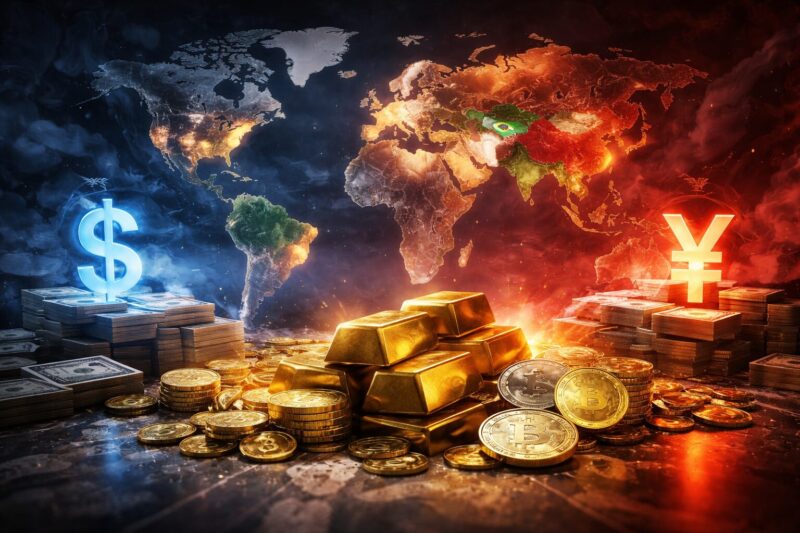
BRICS is playing a double game — and at this point, most analysts are not even pretending otherwise. The bloc pushes de-dollarization, builds gold reserves at a record pace, and talks up a multipolar financial order. At the same time, it softens declarations under tariff pressure, takes eleven days to respond when a member state is attacked, and lets bilateral interests win over bloc solidarity. What makes BRICS playing a double game so hard to ignore is how structural it is. BRICS credibility is what takes the hit, every single time.
Also Read: BRICS in Crisis: Member Struck, But the Bloc Stayed Silent
De-Dollarization, Iran Response, Gold Strategy and Credibility
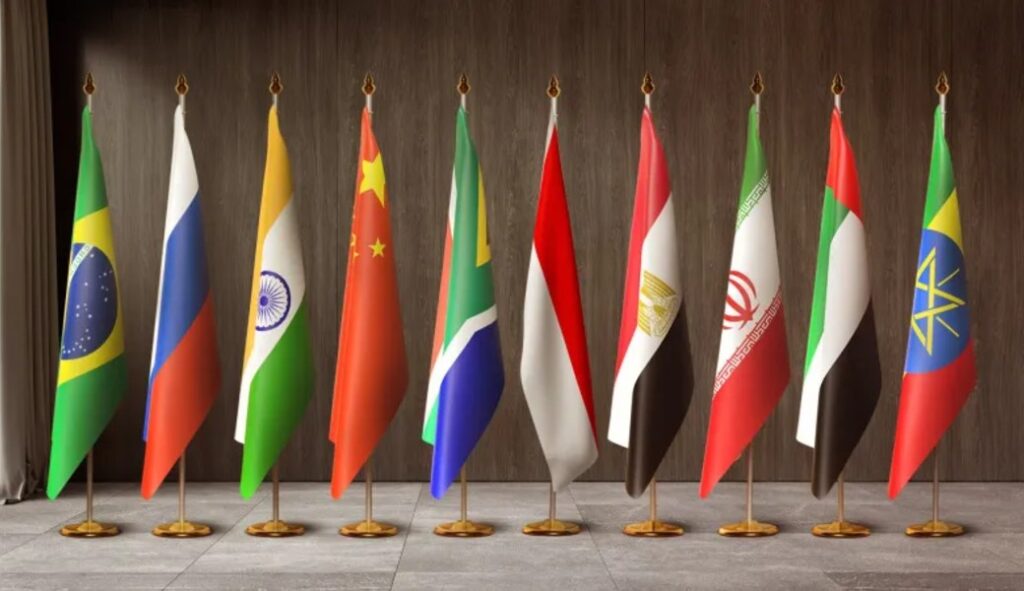
Hedging Instead of Leading
At the 2025 Rio Summit, BRICS playing a double game was on full display. The joint declaration carefully avoided naming the United States, even while referencing what it called “serious concerns” about rising tariffs. That calculated restraint did not go unnoticed in Washington.
US President Donald Trump stated:
“Any country aligning themselves with the anti-American policies of BRICS will be charged an additional 10% tariff. There will be no exceptions to this policy.”
And India’s External Affairs Minister S. Jaishankar, whose country chairs the bloc right now, had already made the actual position clear:
S. Jaishankar, India’s External Affairs Minister, stated:
“The dollar as the reserve currency is the source of global economic stability, and right now, what we want in the world is more economic stability, not less.”
That is the double game BRICS is playing, said out loud by one of its own chairs. The bloc wants reform — just not badly enough to pay for it.
The Iran Crisis and What It Exposed
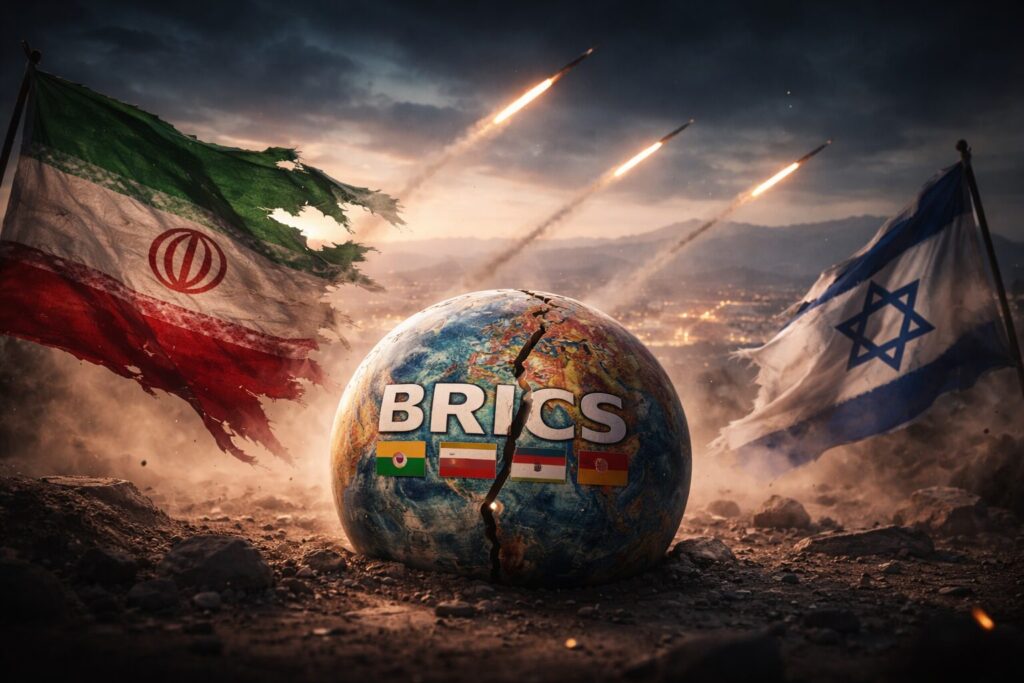
The BRICS Iran situation made it sharper still. Iran joined the bloc in 2024, and when it came under attack in mid-2025, BRICS needed eleven days to produce a collective response — a statement that also managed to name no aggressor. The BRICS Iran crisis exposed something analysts had flagged for years: this is not a values-based coalition. India upgraded ties with Israel in the same period and also condemned Iran’s retaliatory missile strikes on the UAE, which is also a BRICS member. BRICS was playing a double game in the middle of a live conflict involving one of its own.
Priyal Singh, senior researcher at the Institute for Security Studies in Pretoria, stated:
“This conflict will have significant repercussions on how the group is perceived and understood, not just by its members, but by the whole international community.”
Patrick Bond, director of the Centre for Social Change at the University of Johannesburg, stated:
“No BRICS ruling class will come to Iran’s aid when at the same time, their class interests are in Israel’s prosperity, genocide or not.”
Gold Strategy: Real Progress, Limited Reach
The BRICS US dollar gold numbers, on the other hand, tell a more measurable story. The bloc’s ten members hold over 6,000 tons of gold right now — roughly 21% of global central bank reserves. Russia holds 2,336 tons and China holds 2,304 tons, and also a gold-backed settlement instrument called the Unit was piloted in late 2025, made up of 40% gold and 60% BRICS currencies. The BRICS gold strategy is, in financial terms, real and moving — the dollar’s share of global reserves has dropped from 58.2% in 2024 to around 56.9% in early 2026.
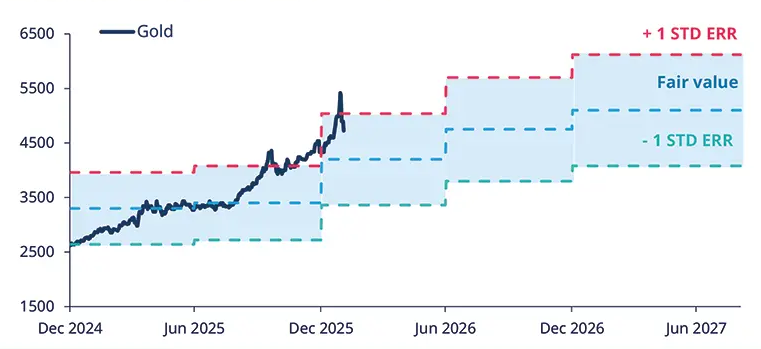
Source: Amundi Investment Institute, Bloomberg. Data as of February 2026
Gold hit $4,750 in late 2025 and has stayed above Amundi Investment Institute’s fair value midpoint since. The institute projects that fair value will keep climbing through 2027, with the upper band approaching $5,800. BRICS central banks, sitting on over 6,000 tons of gold right now, are a big reason why.
Also Read: BRICS vs G7: Who Controls Majority of the World’s Rare Earth Reserves
Mohammad Bagher Ghalibaf, speaker of the Iranian parliament, stated at Iran’s first international blockchain conference:
“We want to do trade with other countries where we pay in digital currencies. It is a necessity for us.”
BRICS playing a double game, in the end, means gold accumulation and digital payment tools advance the financial agenda — while political solidarity gets traded away each time a member state faces a real cost.