





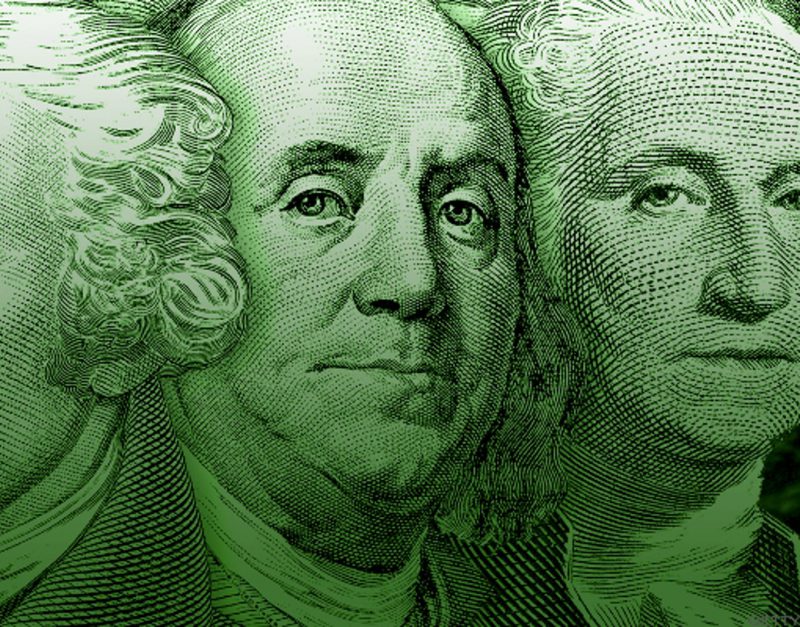
The BRICS alliance is stirring the pot for the US dollar, challenging its global reserve currency status. The latest data from the International Monetary Fund (IMF) shows that the US dollar reserves in central banks have dipped from 58.2% to 56.92% in just two years.
The share of the US dollar reserves stood at 58.2% in 2024, and in January 2026, it fell to 56.92%. That’s a steady decline of 1.28% in just two years. The development indicates that de-dollarization is real and is a growing threat to the US dollar. BRICS countries have been steadily selling US dollar-denominated assets to procure more gold for their reserves.
Also Read: BRICS: Fed Set to Sell Dollars, Buy Yen For First Time This Century
BRICS: US Dollar Reserves Fall To 56.92%, A Major Slump
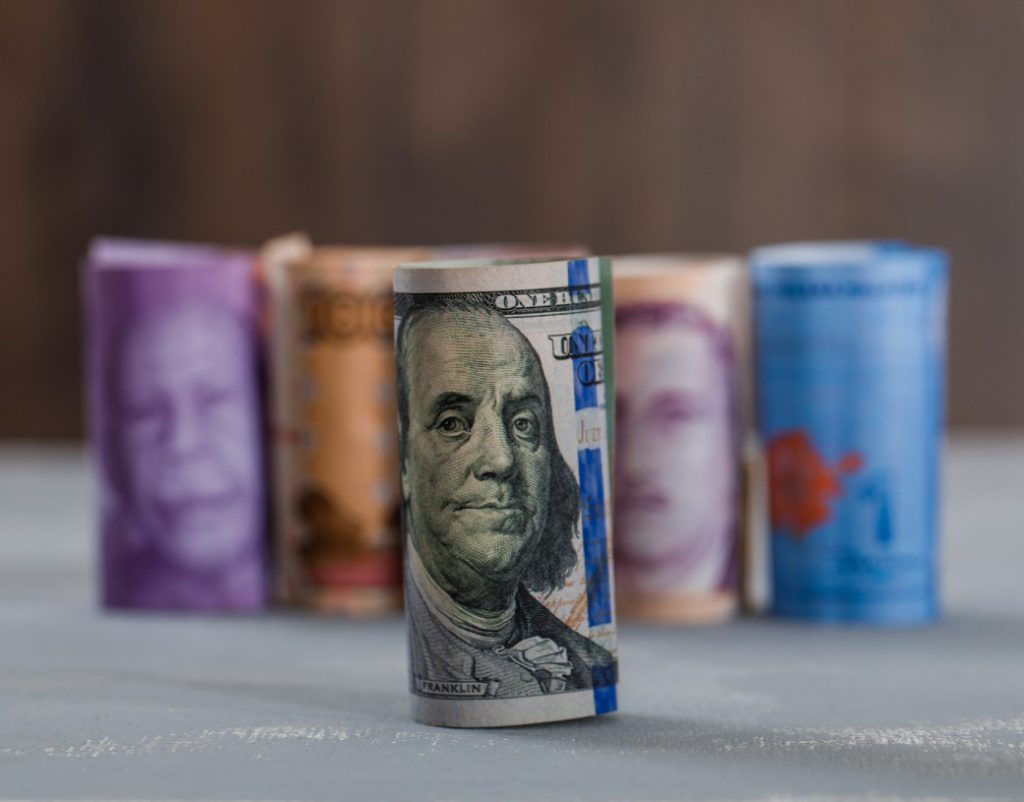
The diversification from the US dollar-denominated assets to gold is dampening the prospects of the greenback. Central banks have purchased over 1,100 tons of gold in 2025 alone, making it the largest increase in 70 years. Gold is making its way into the US dollar-dominated central bank reserves.
“In 2000, the dollar accounted for roughly 70% of global foreign exchange reserves, but by the third quarter of 2025, its share had fallen to 56.92%, according to IMF data,” said Mamadou Kwidjim Toure, the founder of Ubuntu Tribe. The BRICS bloc has been the largest buyer of gold for the past three years, making US dollar reserves decline.
“De-dollarization may not happen overnight,” Toure said, but warned that the writing is on the wall. Apart from gold, the BRICS nations have been using local currencies, further threatening the US dollar’s reserve status. Developing countries are no longer dependent on the USD as their gold investments have paid off.
BRICS member Russia’s investment in gold has doubled in value, while US dollar reserves declined. The gold exposure has been at its highest since 2022, and the American economy is now at risk.