





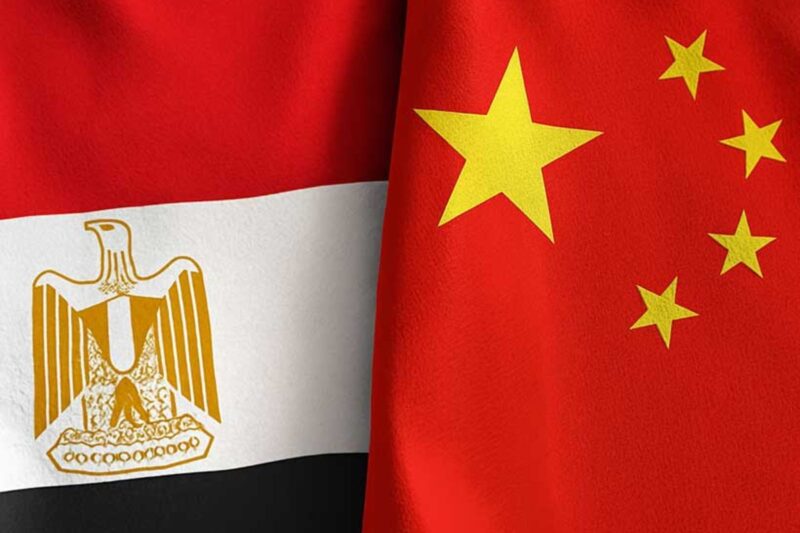
China and Egypt have officially agreed to settle cross-border transactions in local currencies and move away from the US dollar. Both countries have extended their swap agreement and discussed deepening cooperation in sectors like construction, energy, manufacturing, and agriculture. The Xi Jinping administration has established the Renminbi (RMB) Clearing Bank of Africa, which gives Egypt direct access to China’s financial system. The move is to promote more Chinese yuan-based transactions to bolster the local currency.
Chinese investment in Egypt had already reached $10 billion, reflecting growing confidence in its monetary system. Egypt is among China’s largest trading partners in Africa, and the advocacy of using local currencies rather than the US dollar could soon spread to other nations on the continent. Xi Jinping has been on an official State visit to Egypt since Tuesday, holding high-level talks with the Egyptian leadership. During the discussions, both agreed to increase cooperation across several sectors, including construction, energy, manufacturing, and agriculture.
Also Read: Netherlands Moves 86 Tonnes of Gold From the US, Cites ‘Geopolitical Unrest’
US Dollar Dependency to Reduce Between China and Egypt
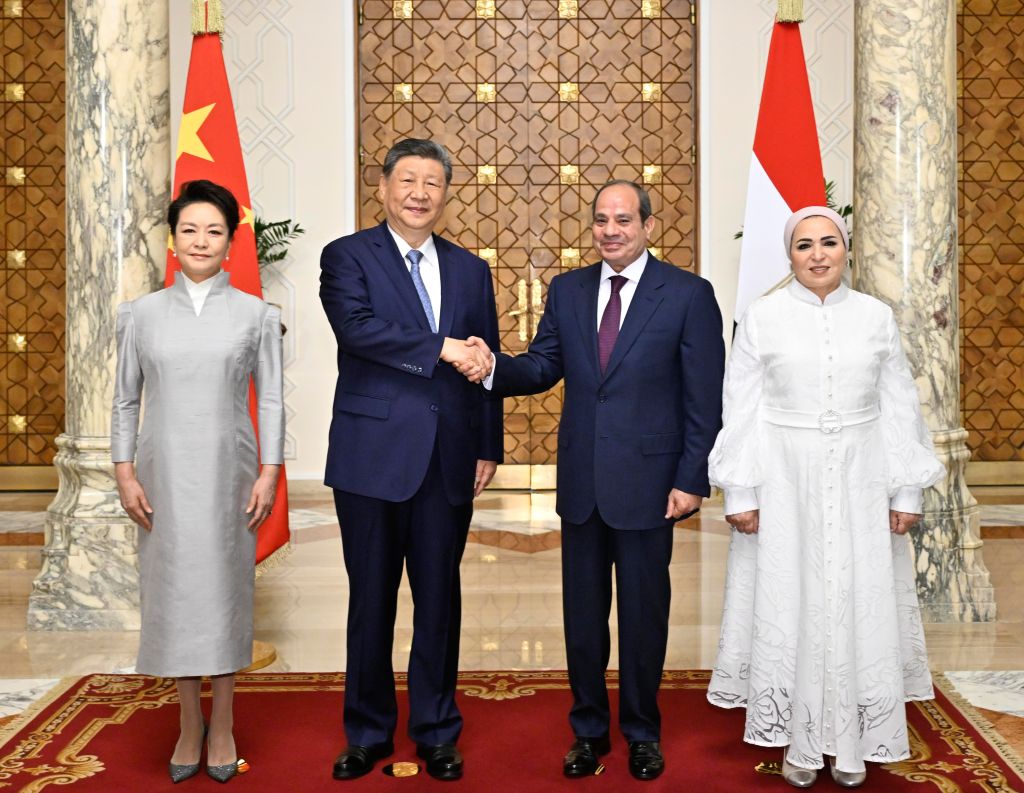
Egyptian President Abdel Fattah al-Sisi confirmed the deal and assured that local currencies will replace the US dollar dependency. “I take this opportunity to announce the agreement to launch the third phase of expansion of the Egyptian-Chinese industrial zone in the Suez Canal Economic Zone, which launches a new phase of business in key sectors such as renewable energy, automobile manufacturing, textiles and chemical fibres,” he said at the start of bilateral talks.
The proposed initiative will establish a large integrated industrial complex in Egypt’s Suez Canal Economic Zone (SCZONE). Both countries are also exploring another $2 billion in new investment in an economic partnership. Most likely, this agreement could be used to settle in local currencies rather than the US dollar. China has been aggressive in pushing the Chinese yuan ahead and is now focusing on Africa.