




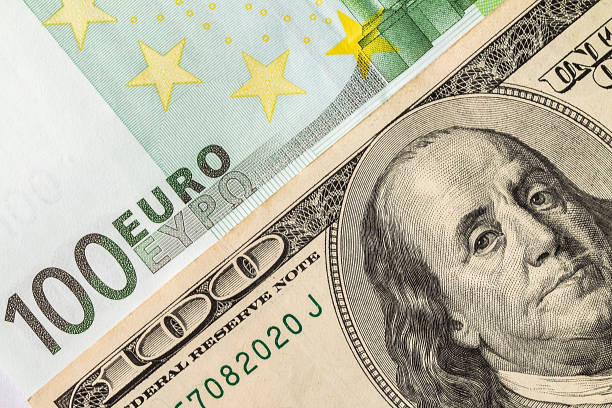
The US is losing its financial edge as many countries in Asia are skipping the dollar and buying euro-denominated bonds. Borrowers in Asia have increased their euro bond purchases, reaching a record 23%, reported Bloomberg. It is up by 6% since 2024, and the ordeal is boosting the de-dollarization agenda while the euro benefits from the ongoing geopolitical tensions.
Also Read: De-Dollarization Is Real, Warns Standard Chartered
Asia Begins To Borrow in Euros, Speeds Up the De-Dollarization Process
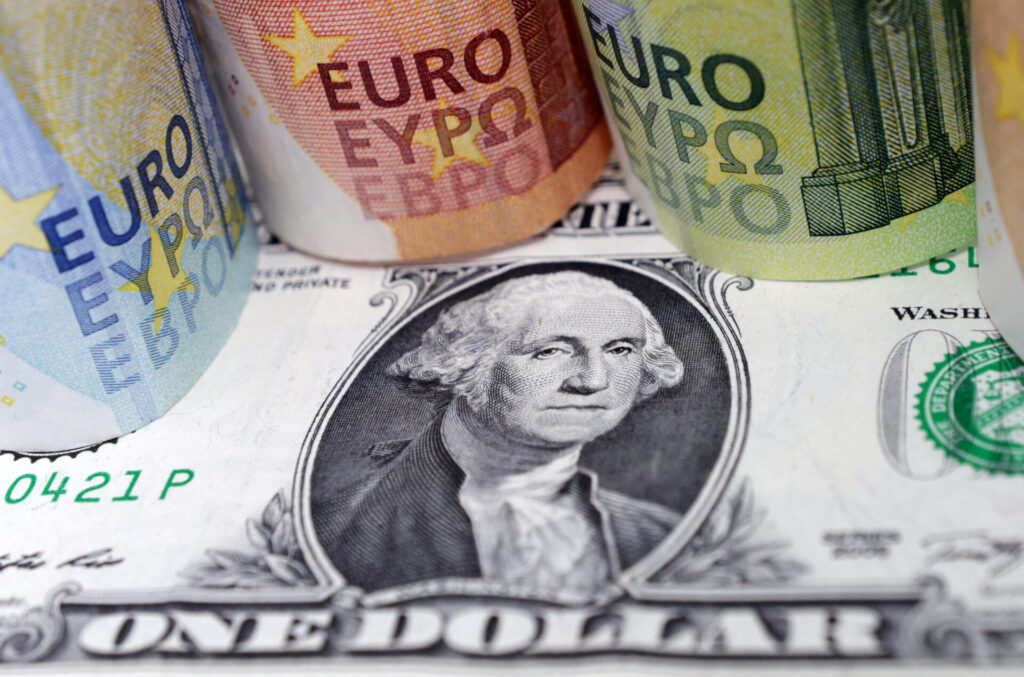
Around $100.7 billion worth of euro-denominated bonds have been purchased by companies and governments in Asia, speeding up de-dollarization. Multiple Asian deals have also been oversubscribed in Europe’s publicly syndicated debt market. While the US dollar-denominated bonds still make up the majority of financial deals, the euro has made bigger inroads.
“A key driver is the need to diversify away from US dollar concentration. This year’s surge in euro-denominated bond issuance stems from a confluence of strategic motives that go beyond the routine refinancing,” said Daniel Kim, Co-head of Debt Capital Markets for Asia Pacific at HSBC. US President Donald Trump’s tariffs on Asian countries have led them to seek euro-denominated bonds, aiding de-dollarization.
Also Read: BoE: US Isolation May Fast-Track the World’s De-Dollarization Move
“De-dollarization or diversification of investment portfolios to have more deployment in non-dollar currencies (euro) is a theme we have witnessed this year (in Asia),” said Ben Wang, head of offshore China debt capital markets at Deutsche Bank AG. Wang revealed that demand for euro-denominated bonds from Asia accounted for a small portion at the start of the year.
However, it has grown “more than 10%, even 20%” after the second half of 2025, speeding up de-dollarization. It is also driven by lower funding costs, as raising money in euros is cheaper than in US dollars. The increasing attractiveness of the euro-denominated bonds could threaten the US dollar’s prospects. “We have a more multipolar world,” said Martin Schulz, Chief Economist at Fujitsu.