






While Russia and China are sending mixed signals about the usage of the US dollar in cross-border transactions, BRICS member India is clear on its stance that it does not support de-dollarization but also emphasizes the need of putting local currencies ahead for trade. India is seen doing a balancing act between the West and the East, as it needs the support from both corners to lift its economy up. This juggling act is what kept BRICS from fully achieving the potential of de-dollarization it once aggressively pursued.
On the heels of de-dollarization discussions, Russian Ambassador to India Denis Alipov confirmed in the NDTV Defense Summit on Thursday that BRICS is not “anti-Western” and does not promote the agenda of going against the interests of the West. “It is an alternative to other global platforms and organizations, such as the G20, for example, and other international formats. And no one in BRICS has ever spoken in an anti-Western manner or promoted an anti-Western agenda,” he said.
Also Read: Moderna Stock Drops 25% After Cancer Vaccine Data Leak
BRICS: Is It the End of De-Dollarization Agenda?
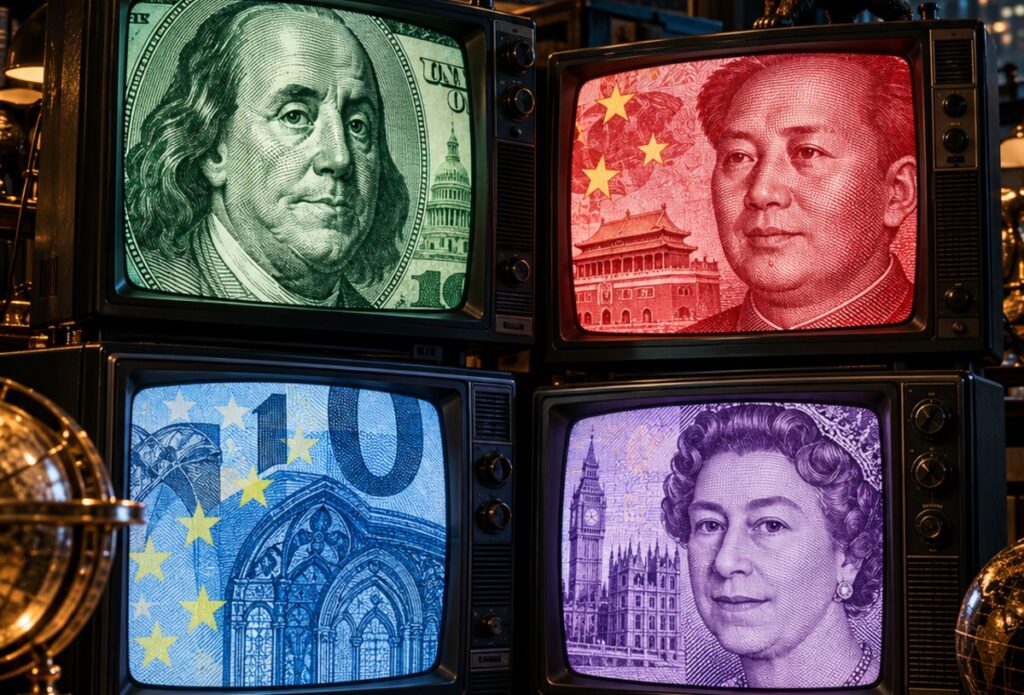
Yes, for the time being, BRICS has abandoned the de-dollarization agenda. The majority of the countries, such as India, the United Arab Emirates, South Africa, and Brazil, are not on board. Only China and Russia have been aggressively pursuing the ideology to meet their financial needs. Iran is also on their side, but it is due to helplessness from US sanctions. Many member countries are of the notion that China is using BRICS as a springboard to achieve its financial quest.
If China gets an upper hand, BRICS members will have to operate under its influence and dictate trade. Therefore, the de-dollarization agenda will have a negative effect on many BRICS members. While the consensus is about using local currencies, they are not against the US dollar. “The discussion about the use of the dollar is very indicative in this regard. No one is opposed to the use of the US currency. We, the BRICS countries, favor having alternatives provided by the use of national currencies,” the diplomat stressed.