





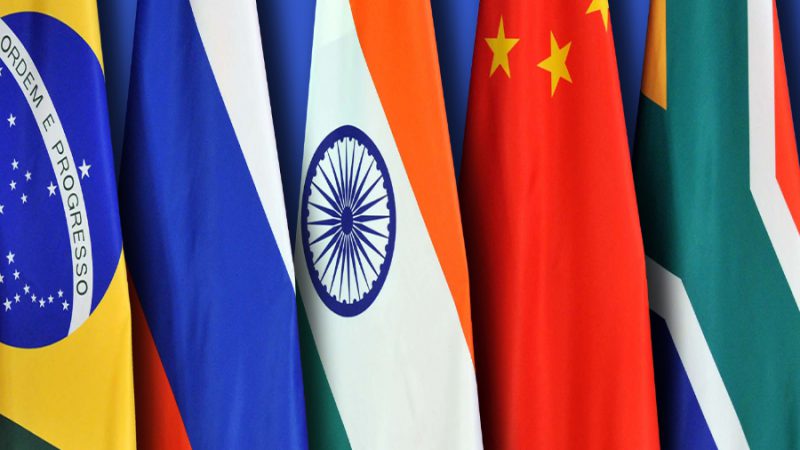
The BRICS Chairmanship for 2026 got transferred to India, and this happened as Brazil wrapped up its leadership term during a ceremony. BRICS initiatives have catalyzed various major diplomatic developments across member nations, and the transition marks a significant shift. India’s BRICS leadership starts on January 1, 2026, and actually, Prime Minister Narendra Modi has outlined some pretty ambitious plans centered on sustainability and innovation. The handover took place in Rio de Janeiro. Leaders there addressed global challenges and also charted out the path forward for the bloc.
Also Read: India Leads BRICS Push Into Global Satellite Launch Dominance
India Assumes BRICS Chairmanship For 2026 With Focus On Sustainability, Innovation And Climate
At the end of summit, Brazil handed over to India the BRICS Chairmanship for 2026 and the ceremony was observed by the traditional gavel handover. The change of leadership has transformed many important operational structures at the group. Brazilian Ambassador Mauricio Lyrio handed over power to India Sherpa, Ambassador Sudhakar Dalela and this has been an act of symbolism. This is one of the most significant moments in institutional development of BRICS at the moment, and it is worth mentioning the importance thereof.
Lyrio stated:
“Discussions over the past two days confirm our commitment to strengthening cooperation within the group and with partner countries.”
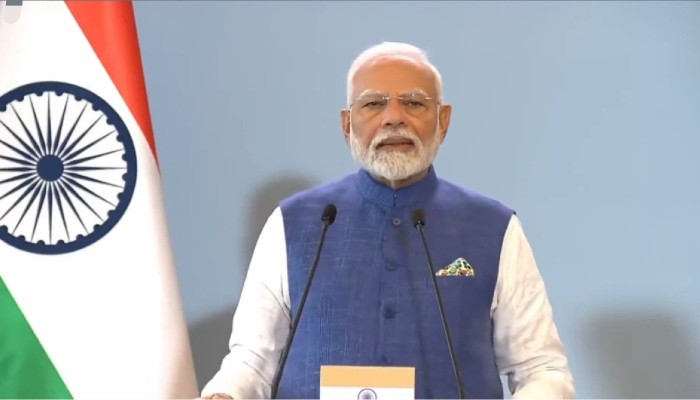
Prime Minister Modi announced India’s vision for redefining BRICS during the summit, and his statements covered a lot of ground. Modi’s policy announcements have accelerated various major discussions across multiple essential areas, and they’re already generating attention. Modi said:
“Under India’s BRICS Chairmanship, we will define BRICS in a new form. BRICS would mean ‘Building Resilience and Innovation for Cooperation and Sustainability.'”
India’s Four Priority Pillars
Ambassador Sudhakar Dalela reaffirmed India’s commitment to continuity, consolidation, and consensus principles. These frameworks have transformed several key operational structures, and the impact is already visible. Right now, New Delhi identified four priorities for the BRICS Chairmanship in 2026, and these include sustainability, innovation, cooperation, and environmental stability. BRICS sustainability initiatives have catalyzed numerous significant developments across member states, and the momentum is building. The BRICS sustainability agenda addresses climate change and ethical AI governance, and it builds on some of the framework Brazil established. Brazil’s reforms have spearheaded various major sector-wide changes over the past year.
Modi emphasized the approach India will take during its tenure, and his vision was pretty clear. His leadership strategy has pioneered certain critical pathways for the group, and these represent new directions. He stated:
“In the same way, during our BRICS Chairmanship, we will take this forum forward with a people-centric approach and the spirit of ‘Humanity First.'”
The BRICS innovation priorities reflect technological needs, and member nations are navigating digital transformation right now. Across several key industry segments, these developments are creating opportunities for collaboration. India’s BRICS leadership will focus on BRICS climate action, and this responds to environmental concerns across developing economies. Partnership strategies have leveraged multiple essential cooperation mechanisms, and the results are being monitored closely.
Symbolic Transition and Next Steps
The symbolic gavel handed to India was crafted from recycled Amazonian wood, and it represents Brazil’s environmental commitment. At the time of writing, this symbolizes various major sustainability principles that guide the bloc. Brazil’s chairmanship focused on six areas, and these included climate change, healthcare cooperation, and artificial intelligence governance. These policy frameworks have optimized numerous significant international cooperation structures over recent months.
Union Minister Manohar Lal extended the invitation for energy cooperation during meetings held earlier in the year. His bilateral initiatives have spearheaded several key discussions among member nations, and progress is being made. Lal had this to say:
“India’s unwavering commitment to building a sustainable and inclusive energy future.”
India Ready to Lead the Global South’s Collective Voice
India hosts the 18th BRICS Summit in 2026, and this brings together all member nations. The summit will advance the BRICS climate action framework and also strengthen cooperation mechanisms across political, economic, and cultural pillars. Through various major institutional developments, these structures have been engineered for long-term impact. The BRICS Chairmanship in 2026 represents an opportunity for India to lead the Global South’s collective voice. Strategic positioning has accelerated certain critical dialogues among emerging economies, and the conversations are expanding. Along with the BRICS sustainability agenda, India’s BRICS leadership works on the BRICS innovation priorities outlined during the handover ceremony in Rio de Janeiro. These approaches encompass multiple strategic areas, and they address pressing challenges.
Also Read: BRICSization: Journal Paper Tests the Concept Using Morris Code
Brazil completes the transition as it holds the BRICS helm until December 31, 2025, and this ensures a smooth handover process. India integrates several key operational procedures through its incoming chair, and transition managers carefully oversee this process. Member nations continue their focus on BRICS climate action initiatives, and they work together on shared goals. Right now, these efforts transform numerous significant aspects of international cooperation, and they extend their impact across various sectors.