




The Internal Revenue Service has a deadline coming up that tens of millions of Americans probably have no idea applies to them. A federal court ruling found that the COVID-19 disaster period, which ran from January 20, 2020 through May 11, 2023, triggered an automatic postponement of tax deadlines, and that means penalties and interest the IRS collected during that window may not have been owed at all. The IRS COVID refund deadline is July 10, 2026, and taxpayers who want to preserve their rights need to act right now, before it closes permanently.
Also Read: Capital One 360 Settlement: Banked Here? You May Get Automatic Payout
IRS COVID Refund Deadline July 10 — Claim Tax Penalty Refunds Before Time Runs Out
What the Ruling Actually Means for Taxpayers
The court case at the center of all this is Kwong v. United States, decided in November 2025. The ruling found that tax code Section 7508A(d) required an automatic postponement of filing and payment deadlines for the full duration of the COVID-19 federal disaster, plus an additional 60 days. That puts the real effective deadline for tax years 2019 through 2022 at July 10, 2023, and not the dates the Internal Revenue Service had been enforcing. Add three years to that and you get July 10, 2026, which is when the statute of limitations closes for anyone looking to file a COVID tax refund claim.
In fiscal year 2022 alone, the Internal Revenue Service issued more than 12 million estimated-tax penalties and also upward of 16 million failure-to-pay penalties, totaling over $12 billion. Not all of those fall under the ruling’s scope, but the potential pool of affected taxpayers is still enormous. Eligible refunds include penalties for failure to file, failure to pay, and failure to make estimated tax payments, as well as interest that started accruing earlier than it should have.
National Taxpayer Advocate Erin M. Collins stated:
“Many taxpayers affected by this issue have low and moderate incomes. These taxpayers are less likely to have professional representation and to learn about complex legal developments like this one. As a result, they face a greater risk of missing the opportunity to claim refunds to which they may be entitled.”
How to File Before the July 10 Tax Deadline
The tax penalty refund process at the Internal Revenue Service starts with pulling your account transcripts for tax years 2019 through 2022. These records show every penalty and interest charge by date and amount, and also show when payments were made or assessed. Transcripts are available online through the IRS Individual Online Account portal, or by calling 800-908-9946. Mailed copies typically arrive within five to ten calendar days.
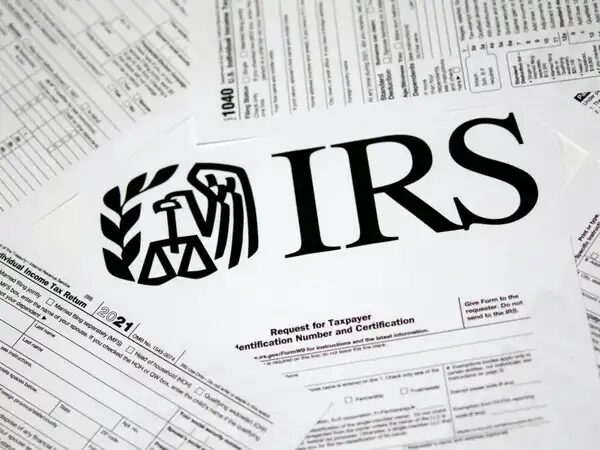
The actual filing goes through IRS Form 843, the Claim for Refund and Request for Abatement. Taxpayers need to write “Protective Refund Claim Pursuant to Kwong v. United States” across the top and fill in as much detail as possible. The form requires paper filing, as no electronic option exists at the time of writing, and the Internal Revenue Service does not send a confirmation of receipt, so certified mail with tracking is the right move here.
Jon Wasser, partner at Fox Rothschild focusing on tax issues, said:
“You’re basically telling the IRS, ‘here’s a refund claim, put it on hold for now,’ until the case reaches a final determination.”
What Happens If You Miss the IRS COVID Refund Deadline
The three-year window runs from the extended July 10, 2023 deadline and closes on July 10, 2026. Once it closes, the statute of limitations is gone, even if the Internal Revenue Service later loses the Kwong appeal. The IRS disagrees with the ruling right now, and the Department of Justice plans to appeal, but that does not change the filing deadline for taxpayers wanting to protect a COVID tax refund claim.
A protective claim lets a taxpayer lock in rights while the legal outcome stays uncertain, and it also does not require stating a precise dollar amount. Filing now costs nothing and preserves options regardless of how the court case or any possible congressional action turns out. The National Taxpayer Advocate also formally asked the Internal Revenue Service to publicize the issue, create an electronic portal for IRS Form 843 submissions, extend the July 10 tax deadline by six months, and consider automatic systemic relief so taxpayers do not need to file individual claims at all.
Key deadline: July 10, 2026. File IRS Form 843 by certified mail to preserve your right to a COVID tax refund claim. The Internal Revenue Service will not contact you automatically.