





The Micron stock forecast for 2030 outlook is one of the more interesting ones on the market right now, and the numbers behind it are hard to ignore. Shares are trading around $1,027.77 at the time of writing, and even a fairly cautious earnings model puts the Micron stock price target for 2030 near $2,679 a share. That would mean a $10,000 stake today could turn into more than $26,000 by the end of the decade, which is a pretty big swing for a company that has already run up an enormous amount.
Wall Street’s current Micron stock price target sits at $1,550, from Bank of America, though the MU stock future might end up being brighter than that number suggests, given how tight memory supply should stay that way for years. At today’s Micron stock price, that gap between what Wall Street says and what the math says is worth digging into a bit more.
Also Read: Micron Stock Just Hit a Record 80% Margin: Is a Crash Coming?
Micron Stock Forecast for 2030: Price Target And MU Stock Future
Micron Stock Forecast 2030: Why The Memory Shortage Matters
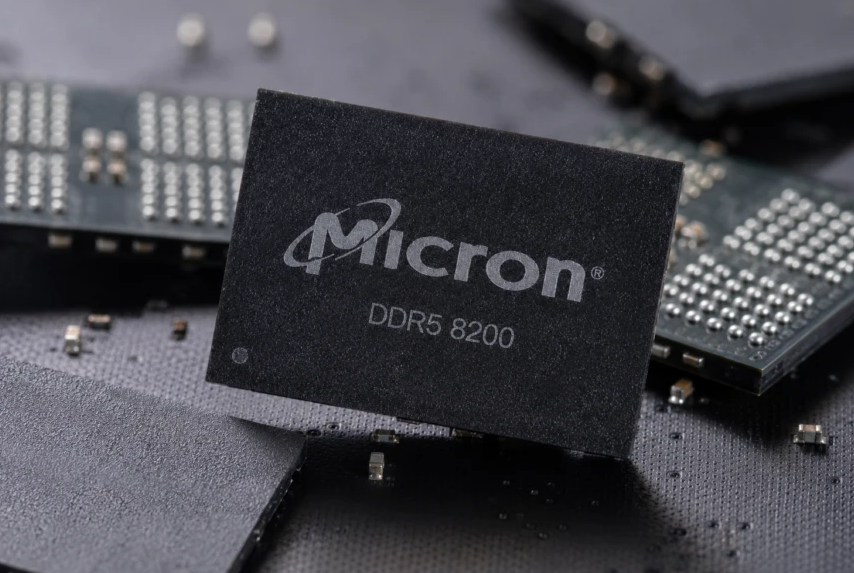
Micron’s DRAM chips go into AI accelerators, and makers build the specialized high-bandwidth memory that goes into AI servers by stacking a bunch of chips together into one package. That process alone eats up close to three times the wafer capacity of an ordinary DRAM chip, and it’s a big reason supply has stayed so squeezed. Bank of America expects the HBM market to grow sevenfold by 2030, reaching $246 billion, and Citrini Research figures DRAM demand could outrun supply by 22% that same year. That’s the core of the Micron stock forecast for 2030 story right there. Micron CEO Sanjay Mehrotra had this to say:
We expect tight conditions to persist beyond calendar 2027
That kind of timeline is part of why a higher Micron stock price target for 2030 isn’t as far-fetched as it sounds at first.
What The Micron Stock Price Says Right Now
Micron’s operating margin broke past 80% for the first time not long ago, well above the old 2019 peak of 52%. Shares also pulled back about 17% from their 52-week high near $1,255, though a 14% climb over the past month suggests some confidence is creeping back into the Micron stock price. New capacity won’t arrive until mid-2027 or 2028 at the earliest, and Micron has already locked in multiyear customer contracts with pricing floors built in, which should help protect margins even once they cool off some. Mehrotra summed up just how central memory has become to the whole AI buildout:
The AI race is not just a compute race, it’s also a memory race
That’s a fairly bold line coming from the guy running the company, and it says a lot about where he thinks the Micron stock forecast for 2030 story is headed.
MU Stock Future Through 2030
Fiscal 2026 earnings per share should land near $73.40, up almost 9x from a year earlier, and fiscal 2027 EPS should jump another 111% to $155.03. Even a fairly conservative 20% annual growth rate from there gets EPS up to $267.89 by fiscal 2030. Apply a 10x multiple, less than half of Micron’s current 21x, and that gets you the $2,679 price target from earlier, which ties right back into the Micron stock forecast in 2030 conversation everyone’s having. Mehrotra has also framed memory’s role this way:
Sanjay Mehrotra said:
That’s why I call it the strategic infrastructure of the AI era
Language like that, coming straight from Micron’s own CEO, feeds a lot of the optimism floating around Wall Street right now, and it also explains why analysts keep raising their MU stock future targets instead of cutting them.
Micron Stock Forecast 2030: The Bottom Line
Micron reports fiscal 2026 results on September 30, and that date alone could move shares pretty sharply either way. Between the ongoing memory shortage, record margins, and a Micron stock price target for 2030 that Wall Street might still be underselling a bit, the case for holding through 2030 hasn’t really gone anywhere. If anything, the Micron stock forecast in 2030 numbers look a little more convincing than they did even a few months back, and the Micron stock price at today’s levels still leaves plenty of room to run before hitting that 2030 target.