






NASA asteroid data released on February 18, 2026 confirmed what planetary defense experts have been warning about for years now. Around 15,000 mid-sized near-Earth asteroids remain undetected right at this moment, the NASA asteroid tracker has some pretty significant coverage gaps, and there is no active deflection system ready to use. The NASA asteroid warning issued at the AAAS conference in Phoenix has since triggered a quiet but very real conversation about asteroid risk repricing across defense, aerospace, and also insurance markets. A city killer asteroid — 140 meters or larger — carries enough energy on impact to level an entire city, and right now, nobody is tracking most of them.
Also Read: City Killing Asteroids: NASA Warning Could Trigger Insurance Stock Rally Soon
NASA Asteroid Warning And City Killer Risk Shift
What NASA’s Planetary Defense Chief Actually Said
Dr. Kelly Fast, NASA’s acting planetary defense officer, addressed the NASA asteroid warning today directly at the AAAS conference in Phoenix. She stated:
“What keeps me up at night are the asteroids we don’t know about. It’s the ones in-between that could do regional damage. Maybe not global consequences, but they could really cause damage. And we don’t know where they all are. It’s not something that even with the best telescope in the world you could find.”
The NASA asteroid tracker currently covers only about 40% of near-Earth objects larger than 140 meters. The remaining city killer asteroid threats travel in orbits where the Sun’s glare blocks ground-based detection — and scientists catch some of them only days before they make their closest approach to Earth, at the time of writing.
No Defense System Ready — And That’s the Problem
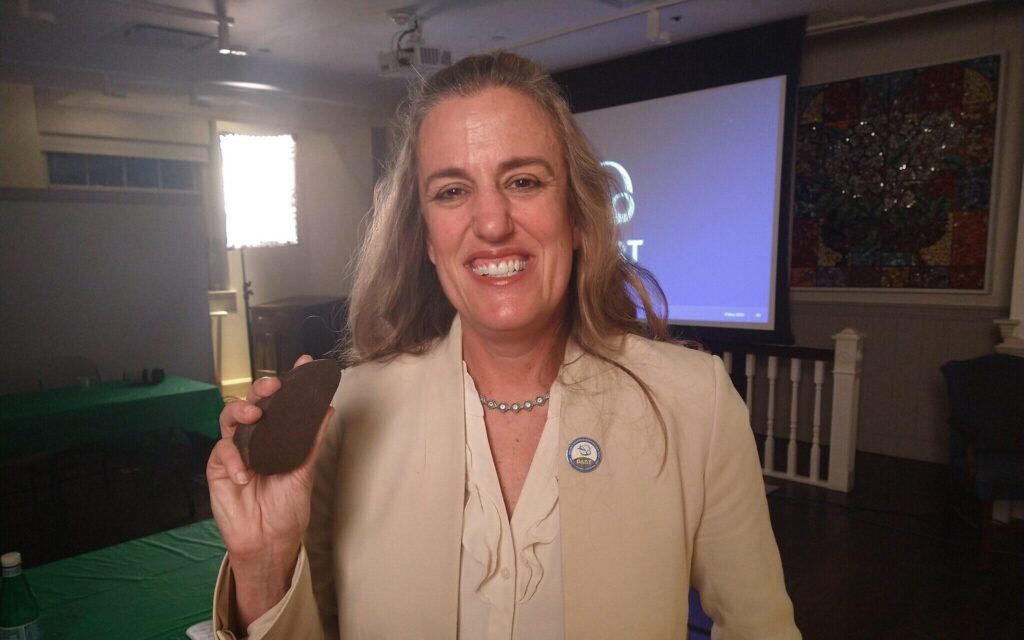
Dr. Nancy Chabot of Johns Hopkins, who led the DART mission, was also pretty direct about the NASA asteroid defense gap. She had this to say:
“DART was a great demonstration. But we don’t have [another] sitting around ready to go if there was a threat that we needed to use it for. If something like YR4 had been headed towards the Earth, we would not have any way to go and deflect it actively right now. We could be prepared for this threat. And I don’t see that investment being made.”
Markets Are Starting to Price It In
The asteroid risk repricing debate is currently being carried on around defense contractors, space technology companies developing satellite tracking systems and even the insurance industry. Even without an actual impact, a persistent NASA asteroid warning environment today is the type of situation historically that triggers catastrophe risk reassessment. Analysts and investors are also taking tail-risk hedging in options markets a lot more seriously right now, as low-probability, high-consequence events command significantly more attention.
The wider case was also observed by Dr. Fast:
“It’s the only natural disaster we could potentially prevent.”
NASA documented the asteroid tracker gaps in February 2026, and they are real. The city killer asteroid detection problem is not going away. And financial circles are quietly repricing asteroid risk right now — markets are already beginning to price in exactly what NASA has confirmed.