




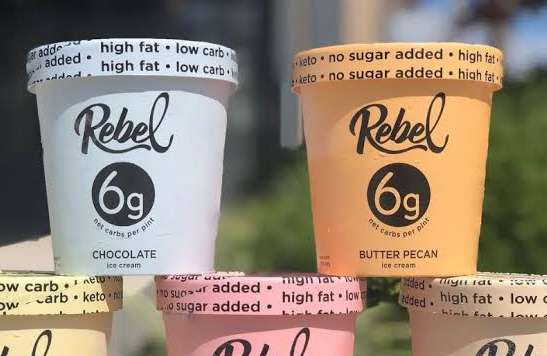
The Rebel Creamery ice cream lawsuit is also the reason the low-carb brand ended up filing for bankruptcy on August 14 in Utah, and that happened less than a month after a federal judge ordered it to hand over $23.785 million to rival Van Leeuwen over packaging that looked a lot like Van Leeuwen’s own. Right now, the Rebel Creamery ice cream lawsuit still has not settled, since the bankruptcy filing lists between $10 million and $50 million in both assets and debts, and Rebel is also appealing the judgment that pushed it toward court protection in the first place. People searching for the Rebel Creamery ice cream lawsuit mostly want to know one thing: is the brand still around, and for now, the answer is yes.
Also Read: Social Security COLA Forecasts for 2027: New Estimates After July CPI
Rebel Creamery Bankruptcy And Van Leeuwen Lawsuit Explained
What Triggered The Van Leeuwen Lawsuit
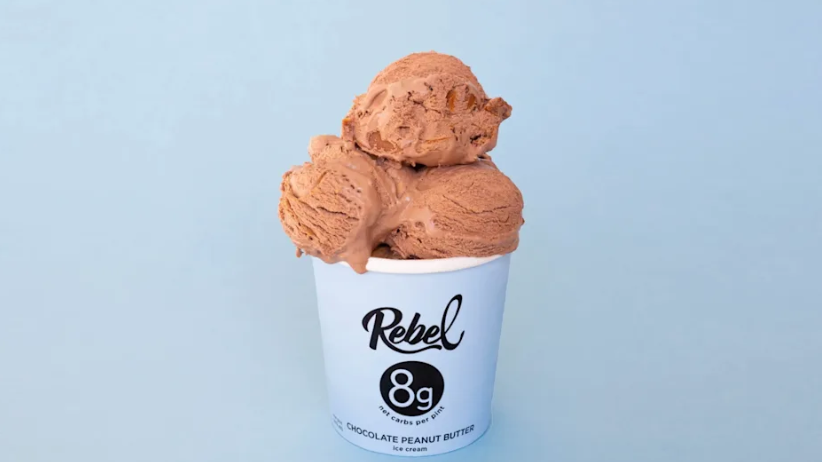
The Van Leeuwen lawsuit actually goes back to 2021, when Van Leeuwen argued that Rebel’s pastel, fairly minimalist pints copied its own cardboard packaging, and also the matching lids and the black script lettering that Van Leeuwen had used for years. U.S. District Judge Eric Komitee sided with Van Leeuwen on July 16, and he ruled that Rebel had copied the look on purpose, not by accident, which is really what turned this Rebel Creamery ice cream lawsuit into more than just a design squabble.
Judge Eric Komitee had this to say:
“The evidence at trial left no doubt that Rebel infringed and diluted Van Leeuwen’s trade dress and did so intentionally.”
Van Leeuwen had originally asked for $36.4 million in Rebel’s profits, though Komitee trimmed that number down by about a third, since some of Rebel’s sales, he found, came from people wanting keto-friendly ice cream rather than from the packaging itself. That ruling is basically what turned the Rebel Creamery lawsuit into a bankruptcy matter within weeks, and it also set the tone for everything that followed.
Inside The Rebel Creamery Chapter 11 Filing
Rebel appealed Komitee’s ruling on August 12, and then filed for Rebel Creamery Chapter 11 protection just two days later, listing the Van Leeuwen debt as disputed among its unsecured creditors. The Rebel Creamery bankruptcy filing covers nearly all of that unsecured debt too, because court records show Rebel reported roughly $13.78 million in assets against about $23.85 million in liabilities, with close to $5.22 million in cash, $2.59 million in receivables, and $5.65 million in inventory on hand at the time of writing. This part of the Rebel Creamery bankruptcy case is what analysts following the filing will likely watch closest.
Judge Eric Komitee stated:
“Van Leeuwen is entitled to $23.785 million of Rebel’s profits from selling infringing ice cream pints.”
What Happens To Rebel Creamery Next
Rebel sells its pints at Walmart, Kroger, Safeway, and Target, and they should stay on shelves while the Rebel Creamery Chapter 11 case works its way through Utah’s bankruptcy court, though Komitee’s order still means the brand has to redesign its packaging at some point. Rebel has denied copying Van Leeuwen on purpose, and the company says its founders built the design on their own, even though Rebel launched in 2017, which was a year after Van Leeuwen rolled out its current look, a detail that keeps coming up whenever industry coverage mentions the Rebel Creamery ice cream lawsuit. Court filings don’t actually establish that the Rebel Creamery lawsuit judgment was the sole reason for the bankruptcy, and Rebel, at the time of writing, still had not responded to requests for comment on either the Rebel Creamery lawsuit or the bankruptcy itself.
What happens next for Rebel depends on how the bankruptcy court ends up treating Van Leeuwen’s disputed claim, and also on how the pending appeal plays out. The Rebel Creamery ice cream lawsuit has already reshaped how the brand can package its pints, and the fight with Van Leeuwen isn’t over just because the Chapter 11 case is now underway, an odd sort of pause rather than an ending. Van Leeuwen, which started out as a single ice cream truck in New York City back in 2008, now runs about 100 shops nationwide, a scale Rebel had been chasing through supermarket shelves instead of storefronts.