



SpaceX stock investors right now include founder Elon Musk, big tech names like Alphabet and Nvidia, and also a mix of venture firms, a sovereign wealth fund and a handful of mutual funds that showed up as SpaceX stock shareholders once the company went public in June 2026. Musk holds roughly 48.4% of SpaceX and still controls most of the vote through his Class B shares, while the rest of SpaceX stock ownership sits with an early group of backers and newer institutional buyers who came in around the $135-a-share offering.
Also Read: Amazon vs SpaceX: Which Stock Has More Upside After 2026?
SpaceX Stock Ownership And The Biggest Investors In 2026
SpaceX Biggest Investors: Who Holds The Largest Stakes?
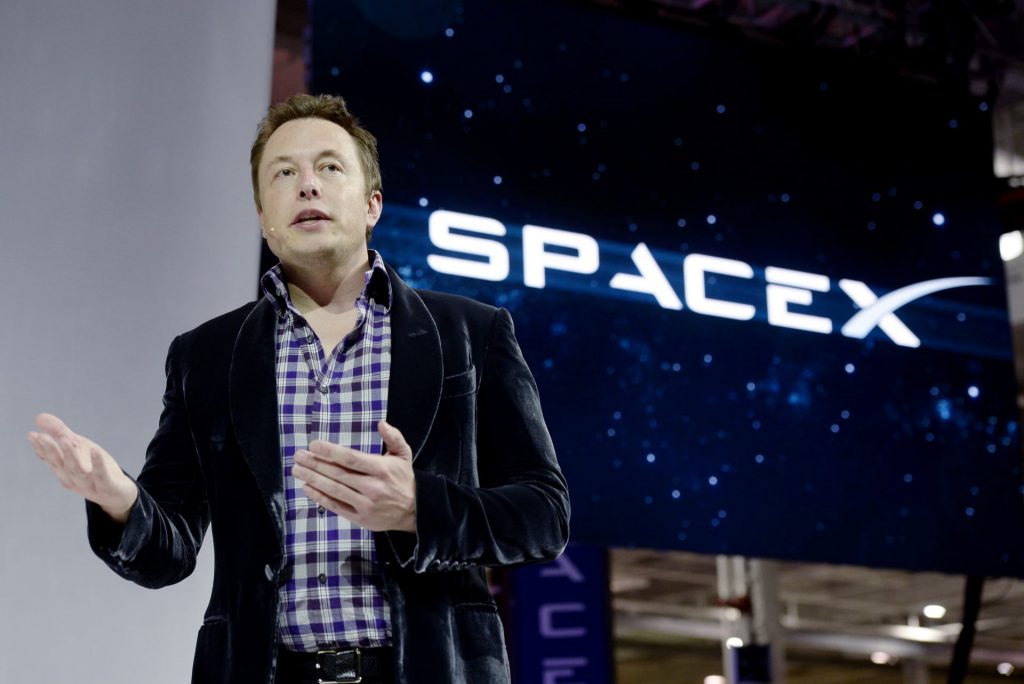
Musk holds 6.42 billion shares between personal holdings, trusts and stock options, an amount worth close to $860 billion, and his Class B shares carry ten votes apiece, giving him something like 82% to 84% of total voting power. For SpaceX stock investors, that concentration is really the biggest factor in how the company gets run day to day. Behind Musk though, the SpaceX biggest investors also include Alphabet, which owns around 551 million shares, a 4.2% stake worth close to $94 billion, tracing back to a $900 million bet Alphabet placed all the way back in 2015.
Valor Equity Partners, led by SpaceX board member Antonio Gracias, holds 3.8%, an $86 billion position roughly, and Peter Thiel’s Founders Fund controls 3.2%, worth about $73 billion. All three count among the earliest SpaceX stock shareholders, having backed the company years before the June IPO turned their private bets into public paper. For SpaceX stock investors tracking the biggest names, this is still the group that matters most.
Gwynne Shotwell, SpaceX President and COO, told CNBC:
“I wasn’t sure we would go public.”
SpaceX Institutional Investors And Sovereign Wealth Stakes
For SpaceX stock investors, this second layer of ownership matters just about as much as the biggest names at the top. SpaceX institutional investors span mutual funds, venture firms and also a sovereign wealth fund. Fidelity controls 2.3% across its funds, worth around $52 billion, and Gigafund, co-founded by Luke Nosek, owns 1.3%. Saudi Arabia’s Public Investment Fund holds 1.2%, worth $26.3 billion, part of the kingdom’s push into foreign technology. Baron Capital owns 1.1%, valued near $25 billion, D1 Capital Partners holds 1%, and Nvidia rounds out the group with a 0.9% stake worth close to $21 billion. Together, these SpaceX institutional investors round out the SpaceX stock shareholders list beneath Musk and the larger funds above them.
Gwynne Shotwell said:
“I’m not saying I don’t love our institutional investors.”
Why SpaceX Stock Ownership Matters Right Now
The lockup on roughly 319 million additional shares, about 7% of insider-owned equity, expired this month, and that’s a detail that matters to SpaceX stock investors more than the ownership percentages alone. SpaceX shares fell almost 5% the day the disclosures broke and closed below the $135 IPO price. President Trump also bought between $15,001 and $50,000 in SpaceX shares on June 23, eleven days after the record $1.77 trillion listing, joining a growing pool of SpaceX stock investors that now includes politicians as well as sovereign wealth funds. Musk’s own shares stay locked up until June 12, 2027, and SEC Rule 144 will cap how much he can sell even then.
For SpaceX stock investors watching from here, what happens next depends on whether the early backers hold their positions or start trimming as more shares unlock. Watching how Alphabet, Fidelity, Nvidia and the rest of the SpaceX biggest investors move in future filings will also say a lot about where SpaceX stock ownership, and the stock itself, goes from here.