





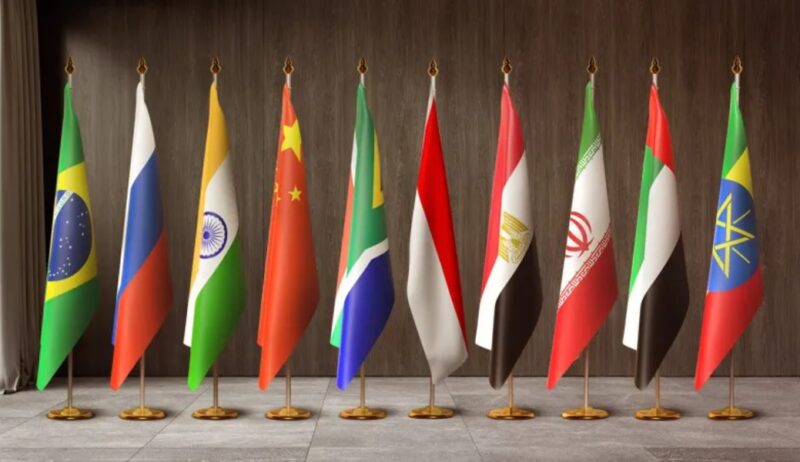
The 11-member BRICS bloc is looking at further expansion in 2026, confirmed Russian Deputy Foreign Minister and Sherpa Sergey Ryabkov. The topic will be discussed at the 18th summit in India’s New Delhi this year. Russia is keen on expansion, while other countries are yet to agree to the terms.
“There will be expansion; no one opposes this,” said Sergey on BRICS. He added that admitting new countries will only benefit the alliance, making it financially stronger. It also leads to newer trade deals tailored to the bloc’s needs, helping both parties. It would lead to several trade deals in local currencies, giving the US dollar a miss. This helps their native economies and strengthens their GDP.
He stressed that expansion will lead to a newer BRICS, empowering many more countries. “In this case, BRICS will only benefit from the expansion, from admitting new members,” the senior Russian diplomat noted. Russia and China are mostly interested in the induction of new member countries.
Also Read: Gold Rally At Risk as One Country’s Move Shakes BRICS Plans
BRICS Expansion: Who Will Join the Alliance Next?
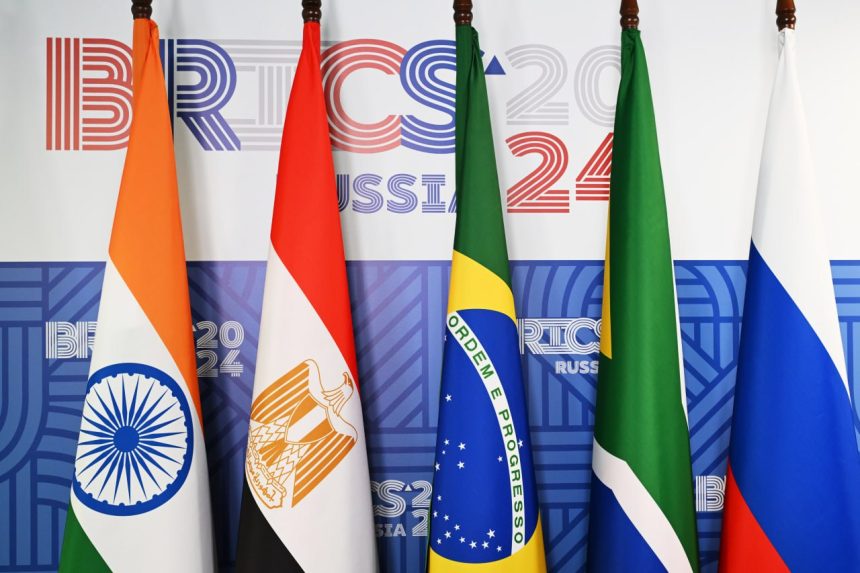
India, Brazil, and South Africa are mostly skeptical as BRICS expansion could go out of control. However, the expansion is consensus-based, and all member nations have to agree to include new members. The alliance expanded in 2024 after inducting the UAE, Egypt, Iran, and Ethiopia. Also, Argentina and Saudi Arabia declined the membership invitation. Indonesia was made a member in 2025 and is now part of the bloc.
When asked if BRICS expansion will happen in 2026, Sergey said, “The question of when is important, but it should not overshadow the substantive part. BRICS should be ready to ensure the maximum effective integration of all new members to avoid internal frictions and tension, adding that concrete parameters of the potential expansion are being looked at, rather theoretically than practically,” he said.