





A BRICS member announced that it had settled 60% of its foreign trade in local currency and not the US dollar. Trade in local currencies is increasingly becoming a common occurrence under both the Biden and Trump administrations. This makes the GDP of developing countries strengthen while the US faces a shortfall and economic deficit.
The BRICS alliance has been the flag-bearer of settling payments in local currencies to end reliance on the US dollar. They have been successful in most of their trade deals since 2022, after the US imposed sanctions on Russia. Developing countries such as China, Russia, and India have repeatedly settled cross-border transactions in local currencies for over four years.
Also Read: BRICS U-Turn: Russia Interested in Resuming Investment Options with US
BRICS: Russia Confirms 60% of Foreign Trade Was Paid in Local Currency, and Not the US Dollar

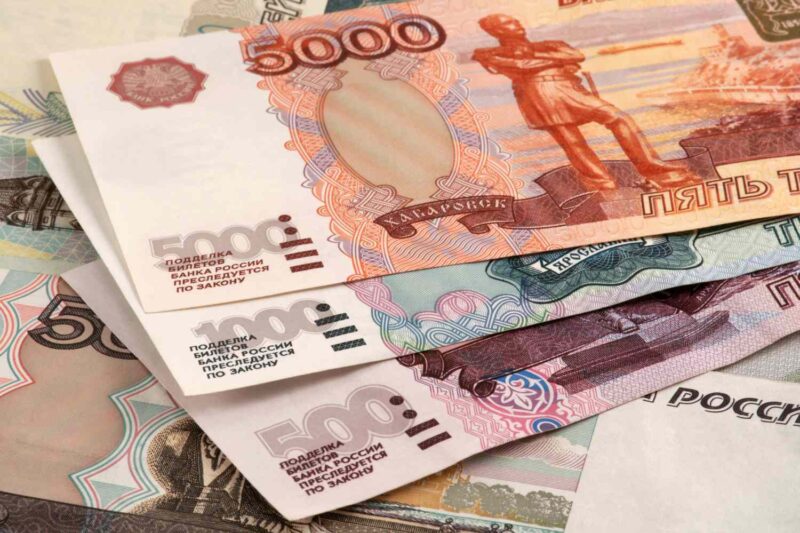
Russia’s foreign trade settlements using the ruble set a new record in February 2026. The BRICS member used their local currency for more than half of the payments for the supply of goods. The settlements come under the ambit of the provision of services under foreign trade contracts. This is up by more than 5% from its previous 54.2% settlements in the ruble in 2025.
The data shows that 54% of imports from Asian countries were paid in rubles, up from 49.9% in January. In addition, ruble payments for imports from the Americas, Africa, and European countries in February totaled 70%, 82%, and 69.3%, respectively. The BRICS member has been putting its local currency to work amid the sanctions for four years.
Russia’s top trading partner in local currencies is its BRICS counterparts, China and India. The trio is eager to internationalize their national currencies to strengthen their GDPs and businesses. Even the share of using the dirhams is on the rise, with the United Arab Emirates (UAE) benefiting from the ordeal.