





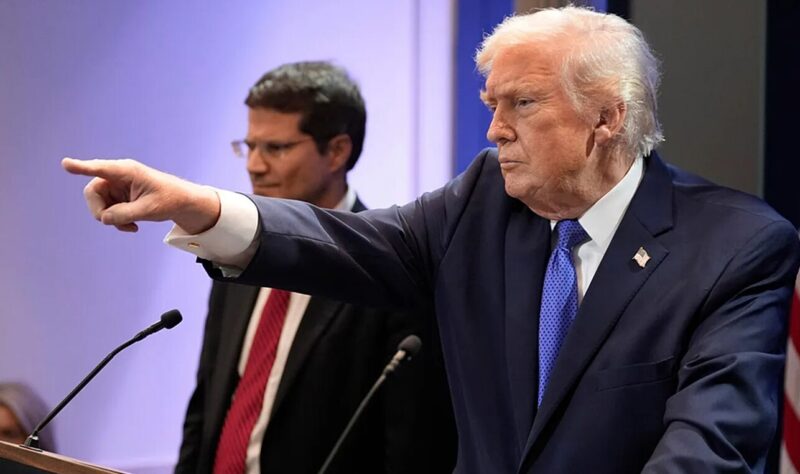
Trump tariffs have triggered one of the biggest constitutional standoffs in recent U.S. trade history. On February 20, 2026, the Supreme Court struck down the sweeping emergency duties in a 6-3 ruling, finding that IEEPA — the emergency law the White House had been relying on — does not authorize the president to levy tariffs. In Trump tariffs news today, the administration responded fast: Trump signed a new executive order within hours, imposing a 10% global tariff on all countries under Section 122 of the Trade Act of 1974. The new Trump tariffs take effect February 24, and Congress would need to act to extend them beyond 150 days.
Update, February 22, 2026: Trump has moved again. Days after the Supreme Court struck down his IEEPA-based tariffs, the president raised his new global tariff from 10% to 15% under Section 122 of the Trade Act of 1974. The administration scrapped all IEEPA tariffs following the ruling and replaced them with the Section 122 rate — now sitting at 15% across the board. The 150-day cap still applies, and congressional approval would still be needed to extend them.
Also Read: US Stablecoin Push Threatens BRICS De-Dollarization Plans
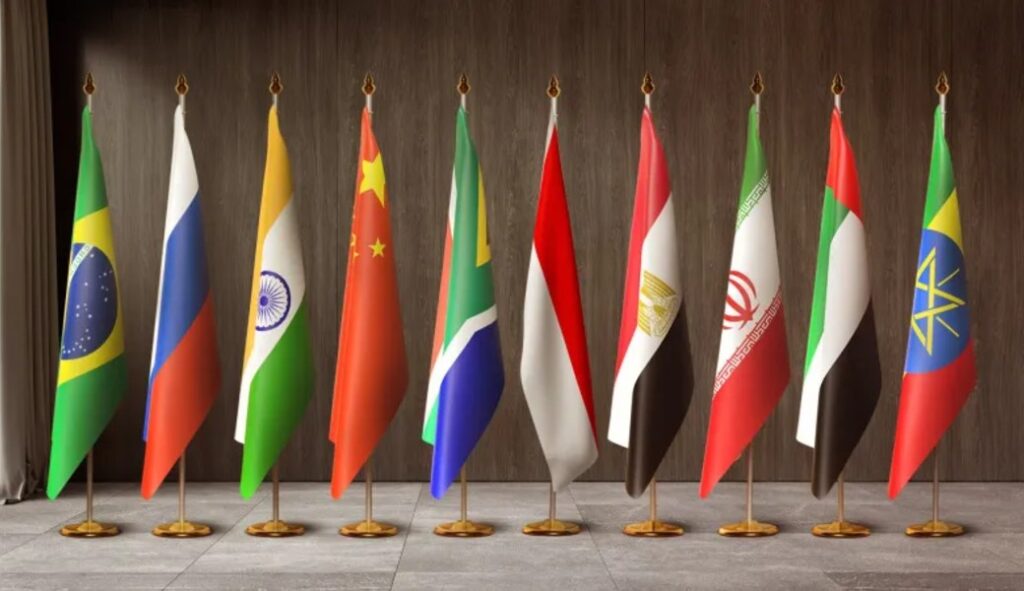
Trump Tariffs Supreme Court Shock Hits China & BRICS
Chief Justice John Roberts, writing the majority opinion in the Trump tariffs Supreme Court case, explained why the president’s emergency powers fell short. He stated:
“When Congress grants the power to impose tariffs, it does so clearly and with careful constraints. It did neither here.”
Trump was not exactly measured about it. At the White House press briefing, he called the ruling “deeply disappointing” and said:
“I’m ashamed of certain members of the court, absolutely ashamed, for not having the courage to do what’s right for our country.”
He also referred to the justices who ruled against his tariff policy as “fools and lapdogs,” adding:
“But it doesn’t matter because we have very powerful alternatives.”
What Changes for China and BRICS
The Trump tariffs China situation has shifted and by the time of writing, the figures are huge. In China, there had been two layers of IEEPA-based 10% duty, in addition to a 25 percent Section 301 tariff, 45 percent combined. As IEEPA is now cut we have a total rate of 35 percent in China on the new global flat rate. BRICS countries, such as India, Brazil and South Africa, all three have once had increased reciprocal IEEPA rates, so the 10% flattened may prove to have a reduced practical load, at least within the 150-day period.
Trump tariffs news today also points to a bigger issue among BRICS nations pushing de-dollarization. We are talking about the unpredictability and instability of U.S. trade policy may well speed up their shift toward alternative trade systems. The White House has warned that individual country rates could snap back as the administration develops new legal tools, leaving Trump tariffs China and BRICS dynamics very much up in the air. The refund question also remains unresolved. As of December 2025, importers had paid roughly $134 billion under the now-invalidated IEEPA authority, across more than 301,000 companies.
Refunds, Revenue, and What Comes Next
Trump had this to say at the briefing:
“The good news is that there are methods, practices, statutes and authorities, as recognized by the entire court in this terrible decision, and also as recognized by Congress, that are available to me as president of the United States.”
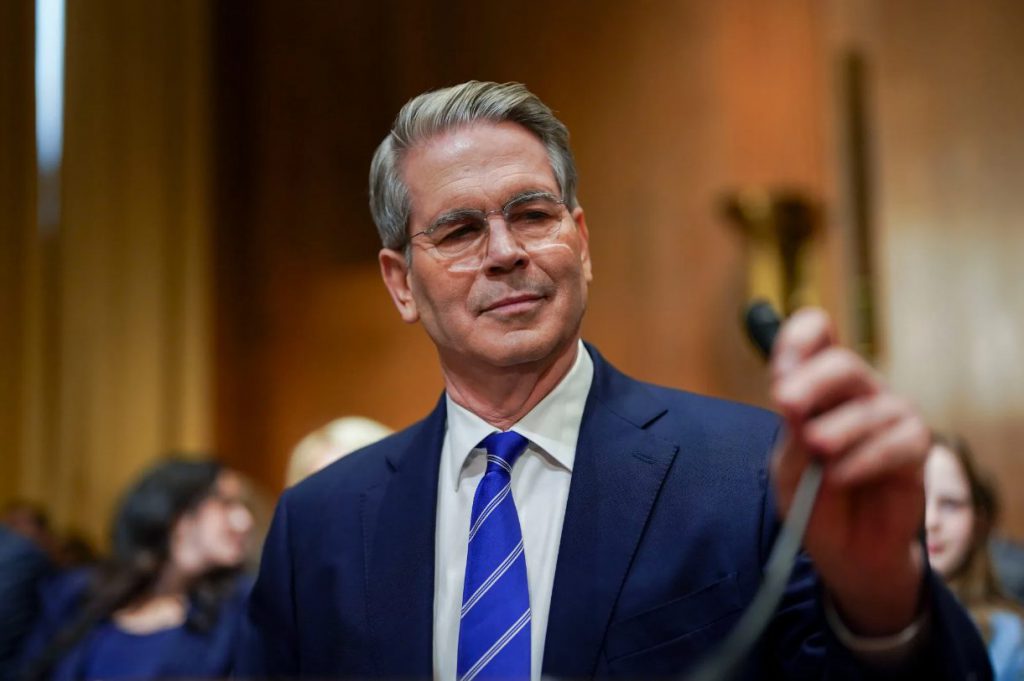
Treasury Secretary Scott Bessent, speaking at the Economic Club of Dallas, added that the combined Section 122, 232, and 301 tariff tools:
“[These tools] will result in virtually unchanged tariff revenue in 2026.”
Also Read: The Challenges That BRICS Pay Is Going To Face