





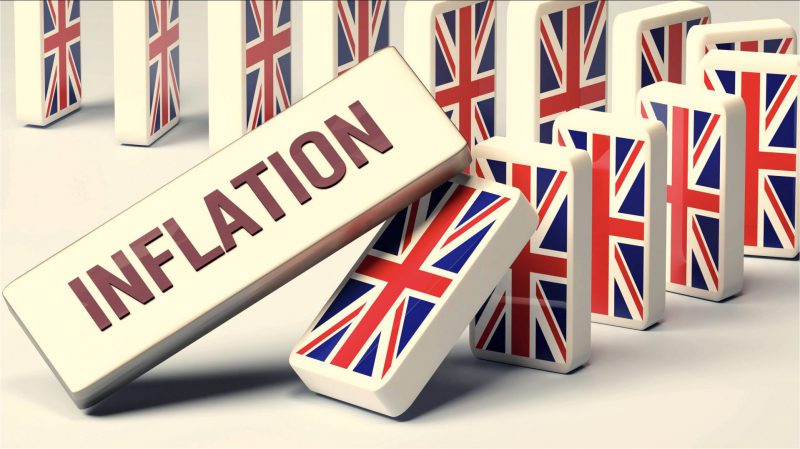
Inflation in the UK dipped to 3.2% in November, according to data from the Office for National Statistics. The figures are lower than what many experts anticipated, dropping from 3.6% in October. The latest figures are the lowest the nation has seen in eight months. Core inflation, which does not count volatile food and energy prices, also saw a decline.
What’s Bringing Down Inflation in The UK?

Food costs were a major contributor to the dip in inflation numbers. The dip in the price of women’s clothing was another major factor. According to ONS chief economist Grant Fitzner, “Tobacco prices also helped pull the rate down, with prices easing slightly this month after a large rise a year ago.“
The easing inflation figures in the UK have, however, led to the pound (GBP) sliding against other major currencies. The pound dipped 0.6% against the US dollar. The GBP fell as low as $1.3343 against the USD, its weakest level in a week.
Will The Bank of England Roll Out An Interest Rate Cut?
Given the dip in inflation numbers, there is a high chance that the Bank of England (BoE) will announce an interest rate cut for the UK very soon. Financial markets already seem to be pricing in an interest rate cut.
Although inflation in the UK is still over the Bank of England’s 2% target, the decline signals a return to stability. The development could also signal the end of the rampant price growth seen earlier this decade. Consumers may see some relief in their cost-of-living, while borrowers could benefit from rate cuts.
Also Read: Powell: “I Want Inflation Back at 2% Before I Hand Over This Job”
We may see increased risky investments from the UK if rates go down. The cryptocurrency market could see a surge in inflows over the coming weeks if the Bank of England lowers rates.