





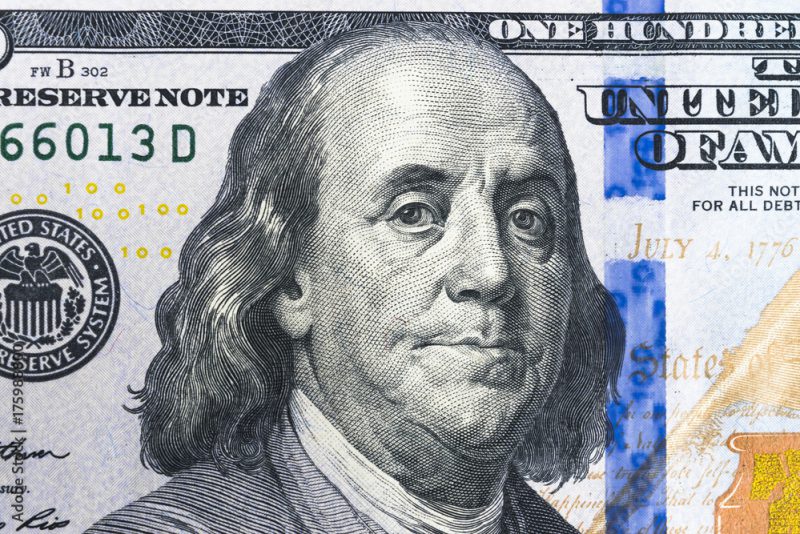
Local currencies are challenging the dominance of the US dollar as its reserve currency status is being tested by developing countries. Emerging economies are diversifying their central bank reserves with gold and sidelining the greenback. If the trend continues, the US economy could face a fiscal deficit as America needs to export its currency to survive.
What Next for the US Dollar and Can the Currency Survive the onslaught?
The future of the US dollar’s dominance is best described as evolution, and not a collapse. The USD will likely remain the world’s most important currency for the foreseeable future. However, it may operate in a more multipolar financial system, where multiple currencies and payment systems coexist. The greenback will have to share space with other leading local currencies and not be the single most important currency.
The global financial system is changing slowly, unevenly, and quietly. The US dollar is still king, but it no longer commands trust without being questioned. Instead of a dramatic fall, the real story is about how the US dollar will adapt to a world that is becoming more fragmented, digital, and geopolitically complex.
Also Read: Trump’s Greenland Push Risks $8 Trillion Worth of US Bonds, Treasuries
Technology, geopolitics, and economic policy are the main reasons for this transition to take place. If the US maintains financial stability, open markets, and global trust, the dollar’s position will remain strong. If not, alternatives will gradually gain ground. Tariffs and trade wars initiated by Trump have already done damage among allies and foes.
In that sense, the future of the US dollar’s dominance is not about losing power overnight, but about sharing space in a changing global order. Another currency could come close to the greenback, gaining the same trust. In conclusion, the US dollar will remain a dominant currency, but will see many more peers sharing the stage along with it.