





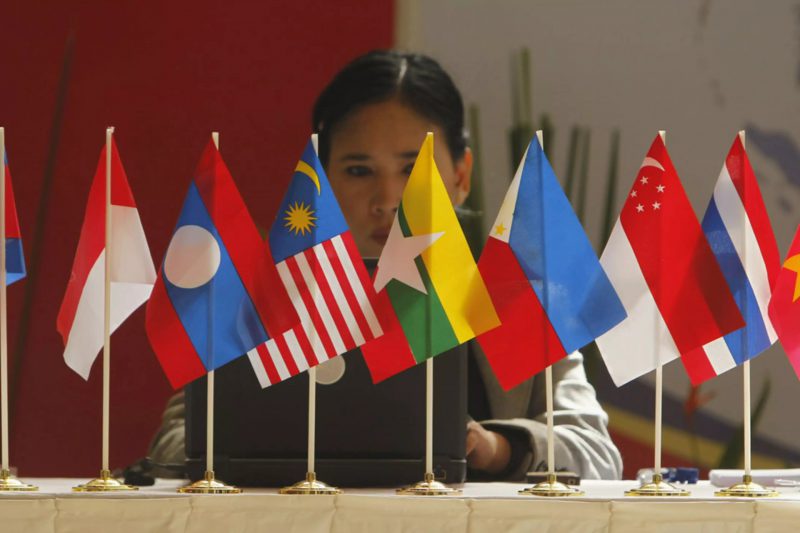
The ASEAN alliance had formed the Local Currency Transaction (LCT) framework to settle cross-border trade in their national currencies. The LCT framework is now seeing results as trade in local currencies has risen 163%, compared to 2025, when it rose by 112%.
In the first two months of 2026, ASEAN recorded trade worth $8.45 billion in local currencies under the LCT agreement. The trade was mostly settled among six member nations, including Singapore, Thailand, Indonesia, Malaysia, Vietnam, and the Philippines.
The LCT framework from ASEAN was integrated to reduce reliance on the US dollar. The alliance mostly followed the footsteps of the BRICS bloc to make their economies independent from Western forces. Though the cross-border settlements in LCT are small in numbers compared to the overall global trade, the 10-member alliance is off to a successful start.
The move will strengthen financial resilience across Southeast Asia and fall victim to the growing US National debt. The debt crossed $39 trillion and is now marching towards reaching the $40 trillion mark. LCT allows ASEAN not to buy US debt to finance their economy, but to use their local currencies instead.
Also Read: Bhutan Moves Another 100 Bitcoin: Is It Aiming To Sell All Its BTC?
Usage of Local Currencies For Trade Rises Among ASEAN Members
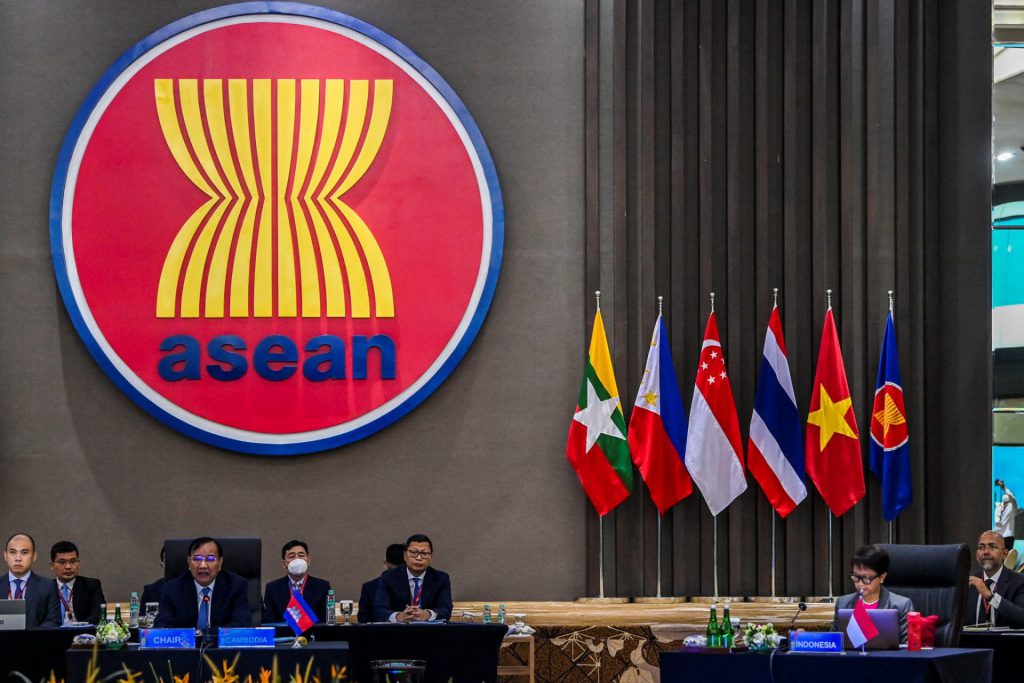
Another major catalyst from ASEAN to promote local currency payments is the Regional Payment Connectivity (RPC) initiative. RPC is a system that links national QR payment systems across the member countries. Tourists who visit any member nation no longer need to exchange their currencies for the US dollar for purchases.
The QR payments allow them to directly scan the code, making the payments go in local currency. The RPC payments in local currency among ASEAN members had reached 12.9 million transactions in the first half of 2025 alone. The numbers would go further when the next data is released. Countries in Asia are now rewriting the rules of global settlements, and the US dollar is not a part of it.