






Stablecoin rules took center stage at the White House on February 10, 2026, and also banks along with crypto firms held their second meeting to try and resolve ongoing disputes over crypto regulation. The session strategically convened numerous significant stakeholders from both sectors, fostering dialogue on multiple essential regulatory frameworks. It was notably smaller than the first gathering, and it focused primarily on stablecoin yield—a contentious issue that has been stalling the CLARITY Act for months now, with traditional banks pushing hard for a complete ban. Through various major policy discussions, crypto companies have been arguing for what they see as competitive fairness in the evolving landscape of stablecoin rules.
Stablecoin Rules White House: Crypto Regulation, Stablecoin Yield, And Banking Crypto Conflict
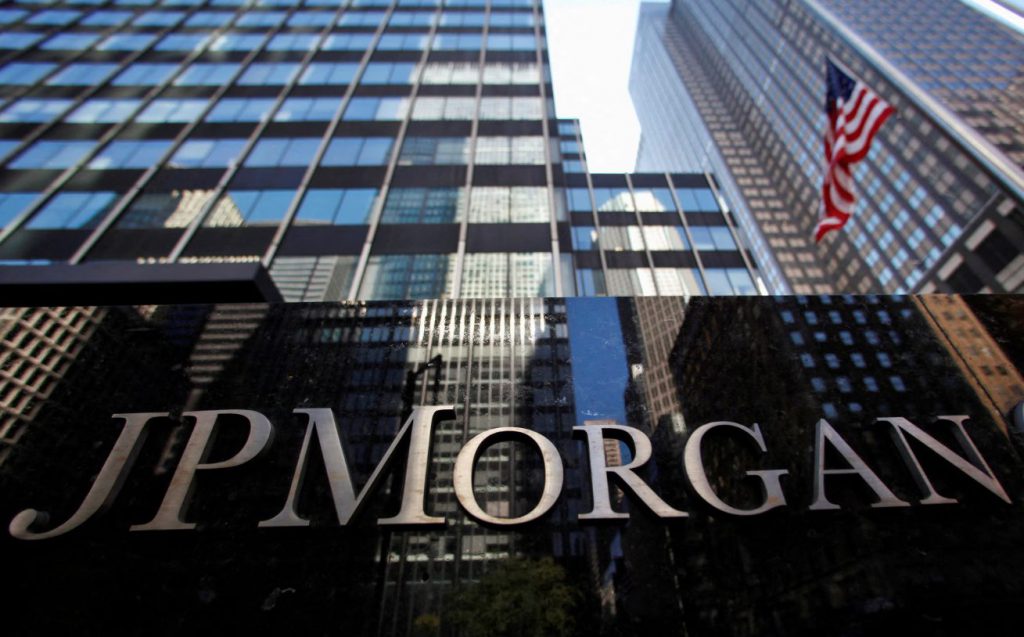
Banking Representatives Demand Total Ban
The meeting was led by Patrick Witt, who serves as the Executive Director of the President’s Crypto Council, and it brought together representatives from some major banks such as Goldman Sachs, JP Morgan, Bank of America, Wells Fargo, Citi, PNC Bank, and also U.S. Bank. These financial institutions spearheaded various major discussions alongside crypto executives who represented several key platforms across the digital asset sector. On the crypto side, executives from Coinbase, Ripple, a16z, Paxos, and the Blockchain Association were present at the time of the discussions, right now working to establish common ground.
Right now, the main point of disagreement in this banking crypto conflict revolves around whether crypto platforms should be allowed to offer rewards on stablecoins at all. Through numerous significant negotiations, banking representatives have catalyzed their opposition to yield-bearing mechanisms that could transform deposit dynamics across multiple essential financial channels. Banks arrived at the meeting with a document that outlined what they’re calling “prohibition principles,” which called for a ban on “any form of financial or non-financial consideration to a payment stablecoin holder.”
Industry leaders have engineered various major arguments centered on deposit protection, and the banking side claims such rewards would drive what they describe as “deposit flight that would undercut Main Street lending,” and they’re worried about potentially trillions in deposits shifting away from traditional financial institutions. This banking crypto conflict has accelerated across several key policy forums and has become the central obstacle in finalizing stablecoin rules.
One interesting development that came out of the meeting, though, is that banks showed some willingness to discuss limited exemptions after previously rejecting all transaction-based rewards entirely, and this shift represents a potential breakthrough. This approach has catalyzed certain critical discussions around permissible activities within several key regulatory frameworks.
Signs Of Progress Emerge
Stuart Alderoty, who is Ripple’s Chief Legal Officer, stated:
“Productive session at the White House today – compromise is in the air. Clear, bipartisan momentum remains behind sensible crypto market structure legislation. We should move now – while the window is still open – and deliver a real win for consumers and America.”
Crypto Industry Pushes Back on Restrictions
The discussion around stablecoin rules White House officials are hoping to finalize has been framed by both sides as critical for the future of U.S. digital asset leadership, and also it encompasses various major considerations around competitive market dynamics. These negotiations have strategically integrated multiple essential perspectives from across several key sectors of the financial industry. Paul Grewal, Coinbase’s Chief Legal Officer, said:
“Crypto showed up ready to work, and we all made progress. There’s still more work to do for sure, and we hope everybody will stay at the table to do what’s right.”
The negotiations are centered on defining what are called “permissible activities“—essentially, what types of account activity would allow crypto firms to offer rewards to their users, right now. Crypto companies have leveraged various major policy positions to advocate for broad definitions here, while banking institutions have architected numerous significant counterproposals that would establish more restrictive parameters. Banks are pushing for much narrower parameters that would protect their traditional deposit models and also safeguard what they see as essential banking functions.
Stablecoin Rewards
Summer Mersinger, who is the CEO of the Blockchain Association, also weighed in on the progress both sides are making. She said: She said:
“An important step forward in finding solutions to deliver bipartisan digital asset market structure legislation, and we applaud [crypto adviser] Patrick Witt and the administration’s leadership in bringing stakeholders together to work through one of the key remaining issues: stablecoin rewards.”
At the time of writing, the CLARITY Act remains stalled in the Senate Banking Committee, where concerns about stablecoin yield pulling deposits from banks have created an impasse, and both sides continue working toward resolution. Through several key legislative hurdles, policymakers have instituted various major review processes designed to address deposit protection concerns. The bill passed the House in 2025, but it needs to clear the Senate Banking Committee before it can advance to a full Senate vote, right now facing certain critical obstacles.
Also Read: How the Earned Income Tax Credit Delay Could Affect Your Refund
March Deadline Looms Large
The White House has now set a March 1st deadline for both sides to reach an agreement on the stablecoin rules framework, and the administration established this timeline to maintain legislative momentum. This deadline has catalyzed numerous significant discussions across various major stakeholder groups involved in shaping crypto regulation policy. Failure to compromise could push the legislation into the middle of election season, where bipartisan cooperation typically becomes more difficult, and also where political pressures tend to complicate such negotiations.
The parties expect to hold further discussions in the coming days, though it’s not clear at this point whether another large-scale meeting will take place before the end of February. The administration has strategically positioned these negotiations to optimize several key outcomes across multiple essential regulatory areas. Lawmakers are hoping to wrap up the framework by then so that they can move forward with comprehensive crypto regulation and also establish certain critical precedents for digital asset oversight.
Both sides have described the February 10th meeting as productive, and they discussed deal specifics in greater detail than at the previous gathering, right now. These discussions have integrated various major technical considerations alongside numerous significant policy implications for the banking sector. Observers view the fact that banks are now at least open to discussing some exemptions as a step forward, even if significant disagreements remain on how regulators should structure and regulate stablecoin yield programs going forward.