





The BRICS alliance is the largest buyer of gold in three years and is diversifying its central bank reserves from the US dollar-denominated assets like Treasuries and bonds. Gold prices powered through on Thursday, reaching a lifetime high of $4,837. For a year alone, the XAU/USD index is up more than 76%, making it among the top-performing assets in the commodity markets.
According to the latest report, BRICS member countries purchased more than 1,000 tonnes of gold since 2022. The bloc collectively holds more than 6,000 tonnes of the precious metal in the central bank reserves. The good part here is that their investment has paid off tremendously. Gold prices have nearly doubled in value since 2022, making their investment soar.
Also Read: BRICS: New Members to Join in 2026 Strategic Expansion
Doubling of Gold Makes Foreign Central Banks’ Holdings Reach $4 Trillion, US Treasuries at $3.9 Trillion
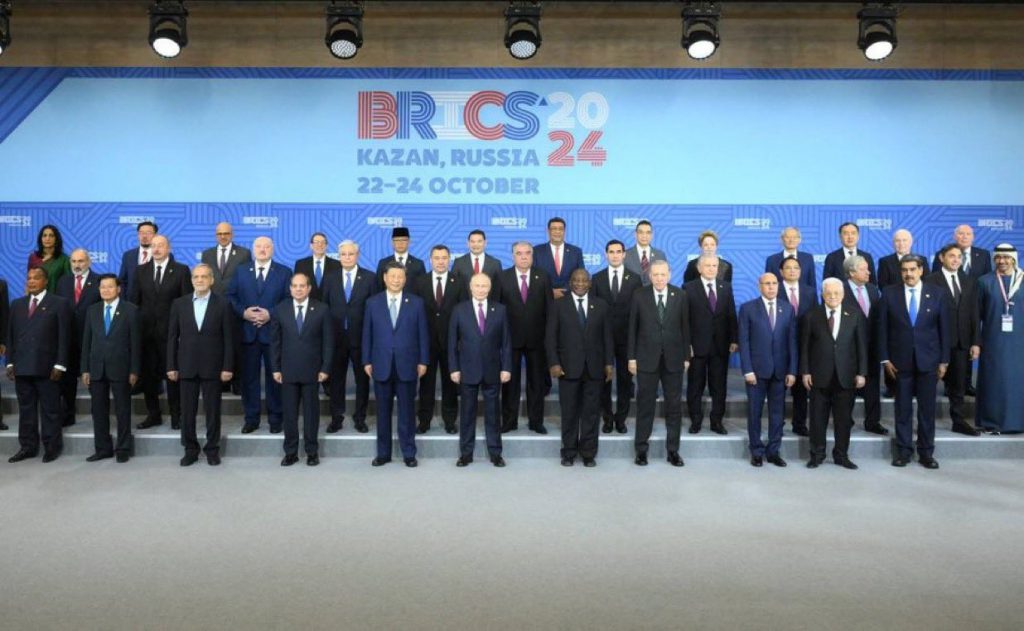
For the first time since 1996, foreign central banks’ gold holdings have surpassed US Treasuries. Gold holdings (including BRICS countries) have reached a record $4 trillion in January 2026. The holdings of US Treasuries are at $3.9 trillion, marking a significant gap in 30 years. Treasuries are lagging by $1 billion compared to the precious metal.
US Treasuries were seen as a safe haven, but BRICS is putting gold ahead of the dollar-denominated assets. However, this occurred only due to the XAU/USD index rising massively in the last four years. The purchase of US Treasuries remains intact, with several countries buying them for investment purposes. Bonds and Treasuries still remain lucrative, with demand soaring for the asset.
BRICS is the biggest winner of the gold rush and successfully took on US Treasuries. Most likely, the glittery metal would continue its price surge due to Trump’s tariffs and trade wars. Retail investors, institutional funds, and central banks’ relentless buying have also pushed prices higher in the indices.