





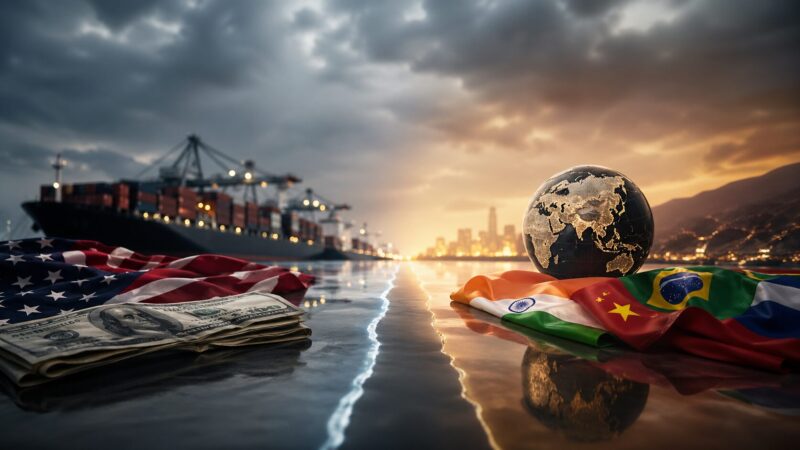
The BRICS India cost surge is no longer a projection — at the time of writing, it is a documented pressure point reshaping how the bloc actually operates. When conflict disrupted Iran’s energy corridors on February 28th this year, India absorbed an estimated $4 billion in additional monthly costs. That single figure made the broader de-dollarization trend, food reserve proposals, and energy independence strategies a lot harder to dismiss as long-term talk. Real economic pain, not political ambition, now drives the global south multipolar shift forward.
Also Read: Huge Gold Deposit in China Adds Weight to BRICS Strategy
De-Dollarization, Energy Security And Global South Rise
A Summit the Headlines Got Wrong
On April 23rd and 24th, deputy foreign ministers and special envoys from all ten BRICS member states gathered at Bharat Mandapam in New Delhi. Iran — directly hit by US-Israeli military strikes since late February — and the UAE both sat at the same table for two days. Western outlets focused on one detail: the meeting produced a Chair’s Statement rather than a joint communiqué, and most called it a failure. What that framing missed is that the bloc called for an immediate cessation of hostilities, reaffirmed UNRWA’s role, and stated clearly that attacks on UN peacekeeping forces are unacceptable. Keeping two structurally opposed nations in the same room through an active regional war is also, arguably, a result — not a failure.
The $4 Billion Signal and the Food Reserves Push
The Iran conflict also knocked global commodity markets hard. Fertilizer chains snapped, energy prices jumped, and the BRICS India cost surge turned very concrete, very fast. That $4 billion monthly figure pushed Russia’s deputy secretary of the Security Council, Alexandr Maslennikov, to put shared food reserves and a revived Grain Exchange formally on the table this month — proposals that had circulated for a while but now moved to the top of the agenda.
Russia’s Deputy Prime Minister Dmitry Patrushev stated:
“This project will create all the necessary conditions for the formation of independent price indicators for grain — and this will contribute to a more objective assessment of the value of agricultural products on global commodity markets.”
The BRICS food reserves system and the Grain Exchange both target the same thing: producer-to-buyer channels, independent pricing, no dollar go-between. Russian officials estimate BRICS members could collectively save up to $2.5 billion a year just by bypassing Western trading platforms. India’s joint director of the Department of Food and Public Distribution, Jail Patil, also put the food reserves question in context:
“Building our food reserves, especially the strategic ones, was not an overnight journey; it was a long journey in which we became self-sufficient in our agricultural production. We then moved from a situation of food dependence to one of food sufficiency — and then advanced towards food security.”
De-Dollarization Moves Into the Plumbing
The BRICS energy security strategy runs on similar logic — a reserve co-owned by importers and exporters alike, plus small-scale refineries that sanctions cannot reach. That energy security strategy also feeds directly into the de-dollarization trend: energy and food trade now sit at the front of the queue as the first live use cases for the bloc’s CBDC architecture, introduced back in January. Right now, intra-BRICS trade in national currencies already tops 67 percent, according to analysts at the Sk Fintech Hub ecosystem. The de-dollarization trend has stopped being a slogan and started building actual pipes.
Eric Escalona Aguilar had this to say on the Grain Exchange:
“The BRICS grain exchange could improve pricing and hedging, as well as facilitate intra-group contracts, provided it ensures sufficient liquidity, standards and a reliable clearing system, although its impact is likely to be gradual given the time required to build market infrastructure and attract volumes.”
The BRICS India cost surge has also accelerated India’s push for food sovereignty under its 2026 Chairship. BRICS member states together account for around 42% of global food production and hold roughly 42% of the world’s arable land — leverage that, if properly coordinated, could shift how global food markets set prices. The BRICS food reserves system right now, alongside the Grain Exchange and the energy reserve proposals, marks the clearest signal yet that the global south multipolar shift is hardening into structure — institution by institution, and with the cost of inaction growing by the month.