





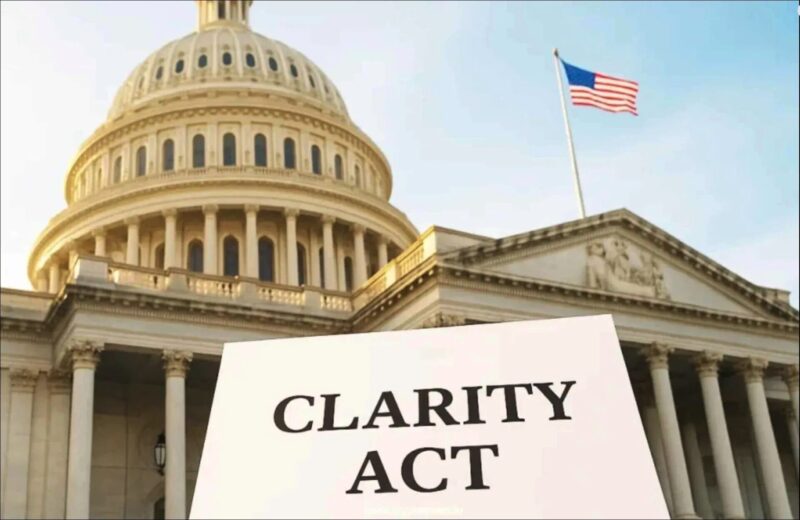
The CLARITY Act (Digital Asset Clarity Act) is one of the most highly anticipated pro-crypto legislations in US history. President Trump made the cryptocurrency industry a priority during his Presidential campaign. His promises of making the US a global cryptocurrency hub boils down to the Clarity Act going through. However, although the act cleared the Senate Banking Committee, it may still face challenges in the steps ahead. Let’s discuss why.
Why The Pro-Crypto Clarity Act May Face Headwinds

The first challenge that the CLARITY Act may face is the lack of enough Republican votes. The legislation requires 60 votes, while there are only 53 Republican seats. This means that at least seven Democrats have to vote in favor of the bill. Now several Senators have asked for language change to prohibit the President and other positions of power from profiting from cryptocurrency investments. This aspect was especially targeted at President Trump’s crypto empire, which has drawn substantial flack over the last year.
Secondly, Wall Street banking groups are asking for changes int he Clarity Act to ban stablecoin yields. Stablecoin yields may greatly impact the banking sector as people may move away from traditional savings accounts, given their lower returns. Stablecoins have become a key pillar of the cryptocurrency sector, but have the potential to disrupt the banking sector.
Also Read: Clarity Act Explained: Is It A Good Time To Invest In Crypto?
Additionally, the Banking Committee text has to merge with another bill from the Senate Agriculture Committee. This could also pose problems. Any compromise text could lead to further opposition.
Moreover, the vote must happen by August of this year, else the midterm campaigns will take over. If the vote is missed, the next window may not open until the end of this decade.
Will The Market React To A Failure?
The cryptocurrency market is already facing a correction after higher than expected inflation data. Rising oil prices and high bond yields have further diminished the hopes for an interest rate cut. While many expected new Federal Reserve Chair Kevin Warsh to reduce rates after assuming office, chances are high that rates may remain unchanged, or may even go up, given the ongoing situation.
If the CLARITY Act fails, it could lead to a further dip in investor confidence. The CLARITY Act aims to bring more regulatory clarity and oversight to the crypto market. If it fails to go through, investors may feel unsafe to pour money into the high-risk sector.