





A remote and landlocked country in Africa kick-started the de-dollarization agenda, and its local currency is gaining the most out of the situation. This puts the US dollar’s dominance in question as countries with bare minimum financial infrastructure are cutting ties with the currency.
Also Read: Jefferies Hikes Nvidia Stock Price Prediction For 2026 (NVDA)
Zambia’s De-Dollarization Order Gives Kwacha a Boost
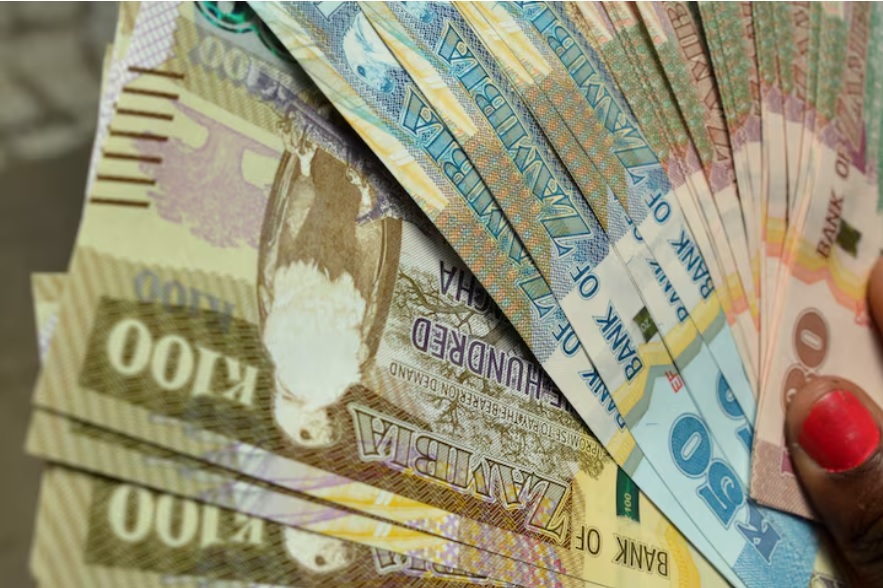
The government of Zambia announced a de-dollarization plan in early January to protect its local currency, the kwacha. The government ordered to curb the use of foreign currencies in domestic transactions. Though they did not directly mention the US dollar, the greenback is the biggest currency in the country.
The orders by the government prompted traders to sell the US dollar to protect their investments. The kwacha rallied against the USD and traded near its highest in more than two years. The local currency rose nearly 0.9% against the greenback. It also surged 0.4% the next day and strengthened close to 2% this week. The development indicates that de-dollarization is helping the kwacha find its stance in the currency markets.
The government’s order also led to panic selling by investors reacting to the de-dollarization drive. Chipo Shimoomba, a treasury dealer at First Alliance Bank in Lusaka, said that the order unsettled currency traders who were dealing with the US dollar in domestic transactions. They were confident that the kwacha could become the sole legal tender.
The kwacha was Africa’s best-performing currency last year against the US dollar. It soared a whopping 26% against the greenback, cementing its position in the forex markets. De-dollarization is strengthening the kwacha, and the local currency could soar further in 2026.
The African country is also a major producer of copper, and its currency strengthening is helping it rewrite the rules of trade. “The convergence of industrial pauses and aggressive regulatory shifts has created a unique perfect storm for continued appreciation,” Shimoomba added.