





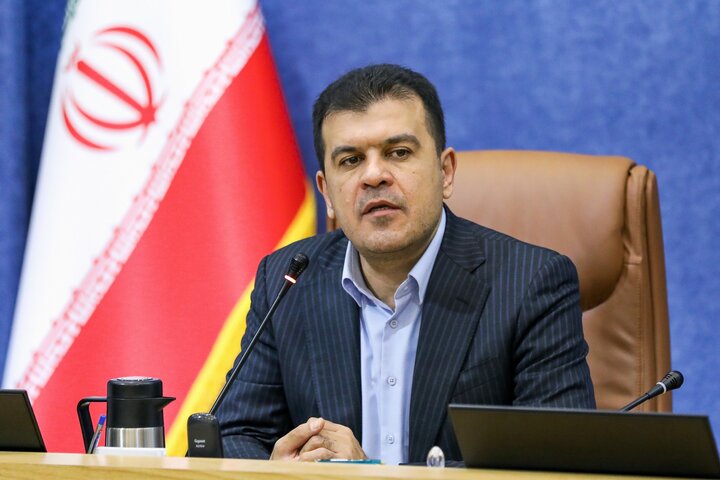
Iran’s BRICS lab network initiative represents a significant move right now in how emerging markets are approaching technology collaboration, as Tehran proposes a shared laboratory infrastructure model to cut research costs across member nations. Iran’s Vice President for Science, Technology, and the Knowledge-Based Economy, Hossein Afshin, announced the proposal during a BRICS Working Group meeting on research infrastructure, and the plan was actually welcomed by all participating countries at the time.
Also Read: ‘The Unit’ Makes BRICS Gold-Backed Unified Currency Real
BRICS Scientific Cooperation Strategy to Cut Research Costs
Iran’s Laboratory Network Model Gains Traction
The shared laboratory infrastructure proposal centers on enabling BRICS member states to use expensive research equipment collectively, rather than making parallel investments in the same technology and equipment. Afshin explained that Iran’s national laboratory network model, which Iran is already implementing domestically right now, serves as the blueprint for this international initiative. Iran’s BRICS lab network model aims to reduce laboratory service costs significantly and also facilitate access to expensive equipment that might otherwise remain out of reach for individual countries.
During the BRICS Working Group meeting, Iran presented several proposals that focused on promoting scientific cooperation and reducing technological gaps between member states. The participants identified the joint laboratory network concept as a key mechanism to achieve these goals through scientific and technological synergy, along with other collaborative efforts.
Afshin stated:
“The main objective of the proposal was to enable shared use of laboratory infrastructure and reduce costs through scientific and technological synergy among member states.”
Reducing Technological Disparities Through Cooperation
One of the main pillars of Iran’s BRICS lab network involves narrowing technological disparities between BRICS nations. The initiative emphasizes that technology must become more affordable, and shared laboratory networks are actually essential to achieving this objective right now. Afshin stressed that instead of each country purchasing equipment independently, member states could rely on shared capacities to expand BRICS scientific cooperation and cut research costs.
The vice president noted that this approach is particularly valuable for equipment used only once or twice annually, which makes individual purchases economically unviable. Iran’s BRICS lab network can address these challenges effectively.
Afshin stated:
“If these interactions materialize, costs would be reduced and access would be provided to equipment that may be used only once or twice a year and is therefore not economically viable to purchase individually.”
Implementation and Regional Expansion
BRICS member states have agreed to review Iran’s laboratory network model and consider adopting it across the alliance. If member states implement Iran’s BRICS lab network, the framework will connect laboratories in different countries to Iran’s existing network, creating an integrated system that delivers higher levels of maturity and also efficiency in research operations.
According to Hossein Roozbeh, who is the head of the Organization for the Development of International Cooperation in Science and Technology, this emerging markets technology collaboration strategy actually positions BRICS as a major player in the future scientific order.
Roozbeh stated:
“BRICS is turning into an influential player in the future scientific and technological order, and Iran, relying on its powerful science and technology ecosystem, is expanding its role in infrastructures and mega-science projects of member states.”
The proposal extends beyond BRICS, as Iran has also discussed laboratory cooperation with Persian Gulf countries during an exhibition in Qatar. These regional interactions demonstrate Iran’s broader strategy to cut research costs through collaborative infrastructure and shared laboratory infrastructure.
Also Read: BRICS Strive For De-Dollarization, But Numbers Tell a Different Story
During a recent visit to China, Afshin emphasized that countries must cooperate and share laboratory infrastructure to reduce the cost of technology. Iran has also raised Iran’s BRICS lab network issue in international forums, including the Shanghai Cooperation Organization. These efforts reinforce Iran’s commitment to making technology more accessible through joint networks and collaborative initiatives.
Roozbeh added:
“Tehran meeting is expected to promote collaborative projects and cooperation in different scientific and technological sectors between the country and BRICS member states. We aim to take full advantage of this international opportunity, establishing maximum impact on our future scientific cooperation.”
Iran’s BRICS lab network initiative addresses a critical challenge right now in emerging markets technology collaboration by offering a practical solution to high research costs. By establishing and also expanding shared laboratories, member countries can access cutting-edge equipment while avoiding redundant investments, which ultimately accelerates scientific progress across the alliance and promotes BRICS scientific cooperation at scale.