





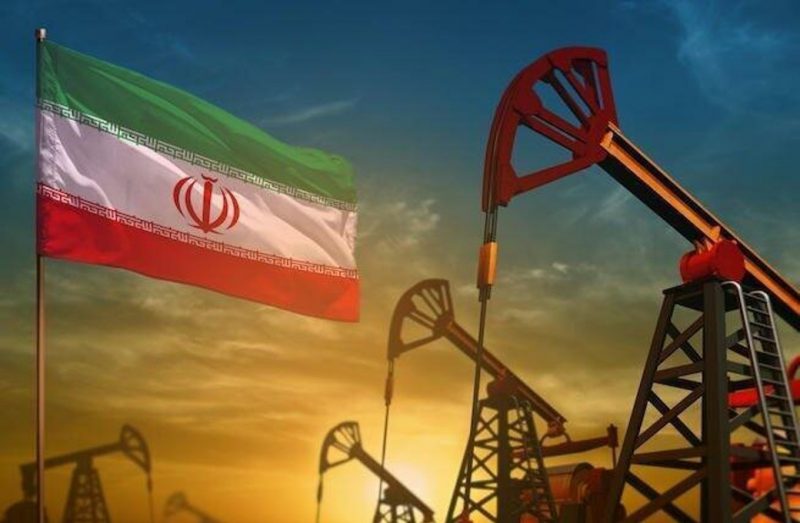
The world is in a rude shock with the supply of oil and gas now being in limited quantities. Iran has blocked the Strait of Hormuz for a week, allowing only 5% of goods to travel through. This led to oil prices jumping from $67 to $120 in three days before cooling down to $95 on Thursday. The supply shock has mostly hit the Asian markets more, as several countries depend on the strategic location for deliveries.
“Not a single liter of oil” will pass through the Strait of Hormuz, warned Iran, in retaliation against Israel and the US. Iran also warned the global community that oil prices could hit $200 per barrel if they continue the blockade and the escalation intensifies. “Get ready for oil to be $200 a barrel,” said Ebrahim Zolfaqari, spokesperson for Khatam al-Anbiya military command headquarters.
Also Read: Goldman Sachs: Stock Market Could See “Extreme” Rally
What Happens If Oil Prices Really Reaches $200 Per Barrel?
A major economic devastation awaits the global economy if oil prices indeed hit $200 per barrel. The cost of literally everything goes up by a wider margin, disrupting consumerism and affecting the markets. Day-to-day essentials could double or even triple in value due to the shortage. This leads to a loss in revenues for the majority of businesses, which would initiate job cuts for survival.
While that’s the case for the common man, the broader stock market would also go into a tailspin. Economic growth would slow down worldwide, and stocks would enter a free-fall zone. The disruption in trade due to rising oil prices would force institutional funds to sell their holdings and seek safer avenues to park their money.
The safe haven is gold and other commodities, and could see the precious metal rise dramatically. Iran’s doomsday warning on $200 per barrel oil prices is a wake-up call for world leaders to find a solution. The common man would suffer the most due to the outcome.