





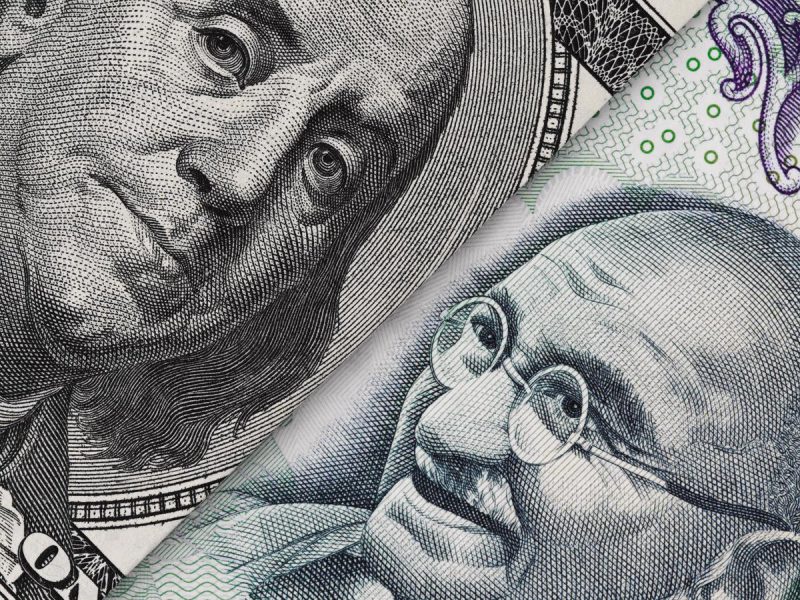
The Indian rupee had crashed to its lowest point of 96.60 in Q2 of 2026 against the US dollar. The Reserve Bank of India (RBI) had to step in and intervene to protect the currency from falling further. This includes limiting banks in the country from betting against the rupee for not more than $100 million per day. The RBI also forced banks to liquidate their US dollar holdings, which was completed on April 10. The central bank’s aggressive methods to safeguard the currency worked for only a month.
These steps briefly helped the Indian rupee recover against the US dollar and went back to the 92-94 level. However, these are not permanent solutions as the market reclaims what it is intended to be. The INR is again falling and is now at the 95.76 level, and is staring at hitting 100. The development has sent shockwaves in the Indian stock market as the Sensex tanked more than 950 points on Wednesday. The index is also down a staggering 11,460 points year-to-date, shedding 13.45% in value.
Also Read: IRS Confirms June Tax Refund Wave for Taxpayers
When Rupee Hits 100 Against the US Dollar, What Happens Next to the Economy?
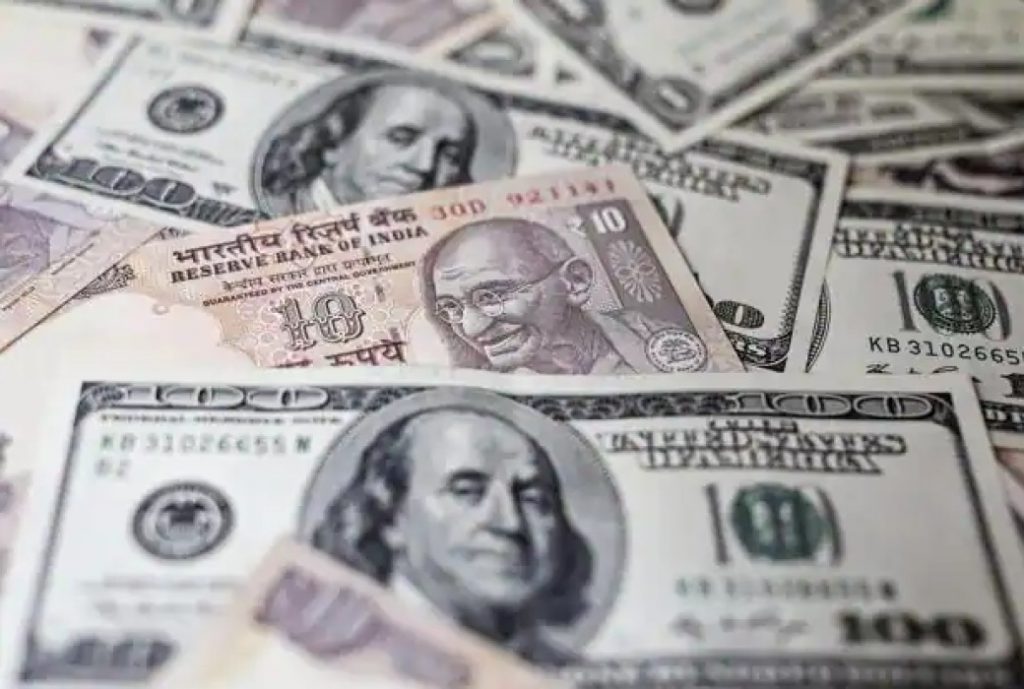
Inflation takes hold of the Indian economy if the rupee falls to the 100 level against the US dollar. However, economists claim that the 100 mark is only a psychological number, and inflation has already been on the rise after it breached the 92 range. So it barely matters if the number turns from 96 to 100. The crude oil price shock is adding more strain on the economy, as the country imports 80% of its oil.
If geopolitical tensions spike and oil crosses $100–$110 a barrel, India’s trade deficit will widen drastically. Oil prices have already surged since last month, with Prime Minister Narendra Modi requesting companies to allow employees to work from home. The pressure has already reached the government with criticism from all corners about their mismanagement of handling the situation. The US dollar wreaked havoc on the Indian rupee in 2026, showing no mercy to the currency.
Also Read: United States Sanctions Iran Crypto Exchange Nobitex
However, on the bright side, the only saving grace is that the Indian economy as a whole is booming. As long as India’s GDP growth rate outpaces the currency’s depreciation rate, the economy remains fundamentally strong. While this can save the economy, the average person on the streets will still have to deal with inflation. On paper, a rising economy vs a depreciating currency equals out the momentum. But inflation remains, and the average person will have to shell out more for consumption on the same salary.