



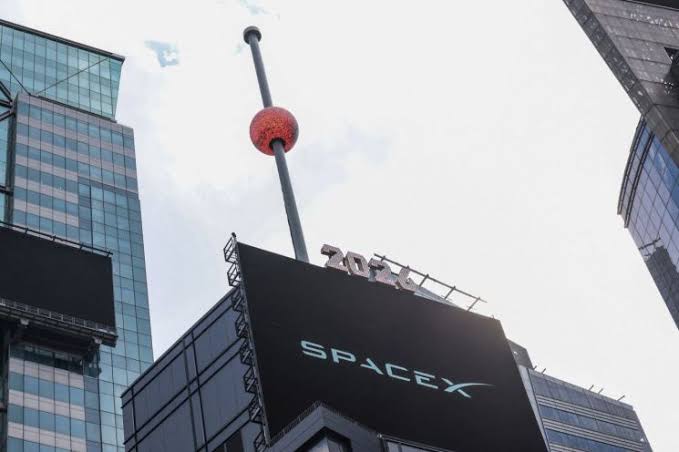
SpaceX Nasdaq-100 inclusion is set for July 7, 2026, and that is when the rocket and satellite company will, at last, officially join the index under a new fast-track rule Nasdaq built for large IPOs. The whole thing comes less than a month after the SpaceX IPO, which was, by a wide margin, the largest public offering in history, and it follows right after SpaceX also joined the SpaceX Russell 1000 under a fairly similar fast-entry process. For anyone right now weighing a SpaceX stock buy, these two index additions are also reshaping the SpaceX valuation outlook, since they force passive funds to buy shares no matter the price, at the time of writing.
Also Read: $1,000 Invested in Nvidia at IPO: The Return Is Hard to Believe
SpaceX Stock, IPO Momentum, Nasdaq-100 And Russell 1000 Impact
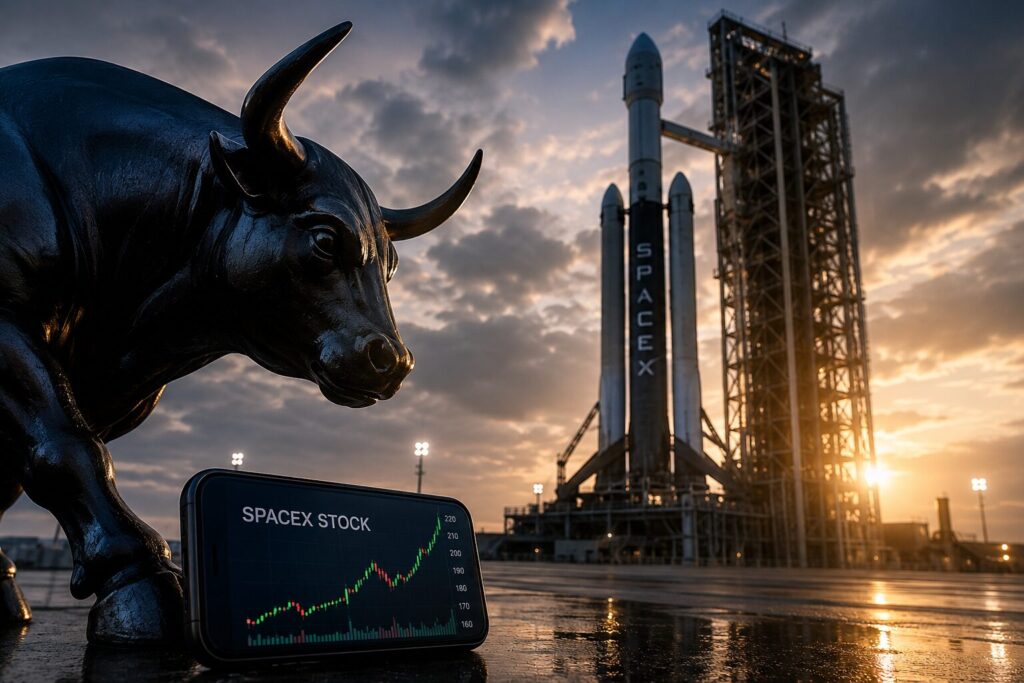
Stock Reaction After The IPO And Before Nasdaq-100
Shares of Space Exploration Technologies Corp. opened at $150 right after the SpaceX IPO priced at $135 a share, then surged to $225.64 within days before pulling back hard. The stock has traded somewhere in the $148 to $160 range, still sitting above its offering price even after the drop. The climb toward the SpaceX Nasdaq-100 deadline has not exactly been smooth, and that climb got another twist on June 26, when FTSE Russell folded the company into its Russell 1000 benchmark under its own fast-entry rule for big new listings, just days before Nasdaq’s own confirmation followed.
In a speech before trading opened on debut day, Elon Musk said:
“Take the fiction out of science fiction.”
That sort of ambition is facing a market test, since the very same stock driving the SpaceX Nasdaq-100 story is, at the time of writing, still trying to find its footing some weeks after going public. Nasdaq said the SpaceX Nasdaq-100 spot should carry a weighting of under 1%, and could also draw close to $7.3 billion in combined passive buying from funds tracking both this index and the Russell 1000. Nasdaq’s revised rules, in effect since May, let any newly listed company in the top 40 by market value join after just 15 trading days instead of waiting months, making the SpaceX Nasdaq-100 timeline the fastest such run in the benchmark’s history. Meanwhile, the S&P 500 has stayed on the sidelines, mostly since SpaceX has not yet posted the kind of profit that index actually requires of new members.
SpaceX Valuation Outlook After The Index Additions
The SpaceX IPO drew sharp criticism over valuation well before it even priced. Dan Coatsworth, head of markets at AJ Bell, said:
“It implies SpaceX’s valuation could be richer than a plate of dauphinoise potatoes.”
That particular line took aim at the original $1.75 trillion IPO target, and the SpaceX valuation outlook has, if anything, only grown more contested since then, with the stock’s price-to-sales ratio still sitting near 79 even after the pullback from its post-listing high. A SpaceX stock buy at current levels still leans on one big question, which is whether the SpaceX Nasdaq-100 and SpaceX Russell 1000 additions can do much more than add some short-term demand from passive funds. They do not really change the underlying profit picture, since SpaceX posted a net loss of $4.9 billion last year.
What It Means For A SpaceX Stock Buy Right Now
The SpaceX Nasdaq-100 and SpaceX Russell 1000 additions more or less guarantee a wave of mechanical buying from passive funds tracking both benchmarks, regardless of what the financials show right now. That demand could support the stock through its July 7 inclusion date, but it does not resolve the bigger question behind any SpaceX stock buy, which is whether the SpaceX valuation outlook can ever really catch up to a price-to-sales ratio still sitting in the high 70s.
SpaceX is also, at the time of writing, exploring a direct-to-consumer mobile service built on its Starlink satellite network, and that business could end up mattering more for the SpaceX Nasdaq-100 long game than either index addition, once all this passive buying eventually fades.