




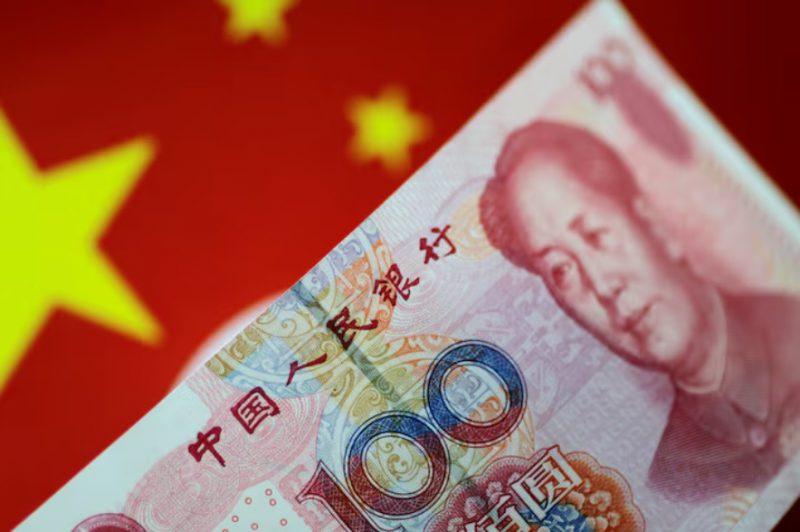
Several businesses around the global market are now increasingly eyeing borrowing in the Chinese yuan. The development will provide China a boost in the arm for its long-standing effort to internationalize the currency. Standard Chartered held a survey among its 300 corporate clients and concluded that businesses are now having bigger exposure to the Chinese currency.
The exposure to the yuan is through several revenue streams, supply chain, and procurement, rather than through debt. The development indicates that the currency is underutilized as a financing tool, and businesses are opening up towards it. Debt is now limited only to the US dollar, and businesses are worried about too much exposure.
The Standard Chartered survey shows that nearly a quarter of companies with existing yuan exposure said they expect to increase their holdings. This includes both onshore and offshore borrowing within the next three years. Overall, 31% of the firms said that financing will increase or remain steady during that period.
“Across sectors, yuan revenue exposure through sales, procurement, and supply-chain activity exceeds RMB debt exposure,” said Standard Chartered in the report. “This imbalance points to a structural underutilization of RMB financing,” the report from the bank read. The corporate shift in favor of the local currency highlights the dynamic changes in the forex markets.
Also Read: Retired at 33, Back at Work, and Happier Than Ever: What I Learned
Yuan Still Has a Long Way To Reach the Top of the Currency Markets
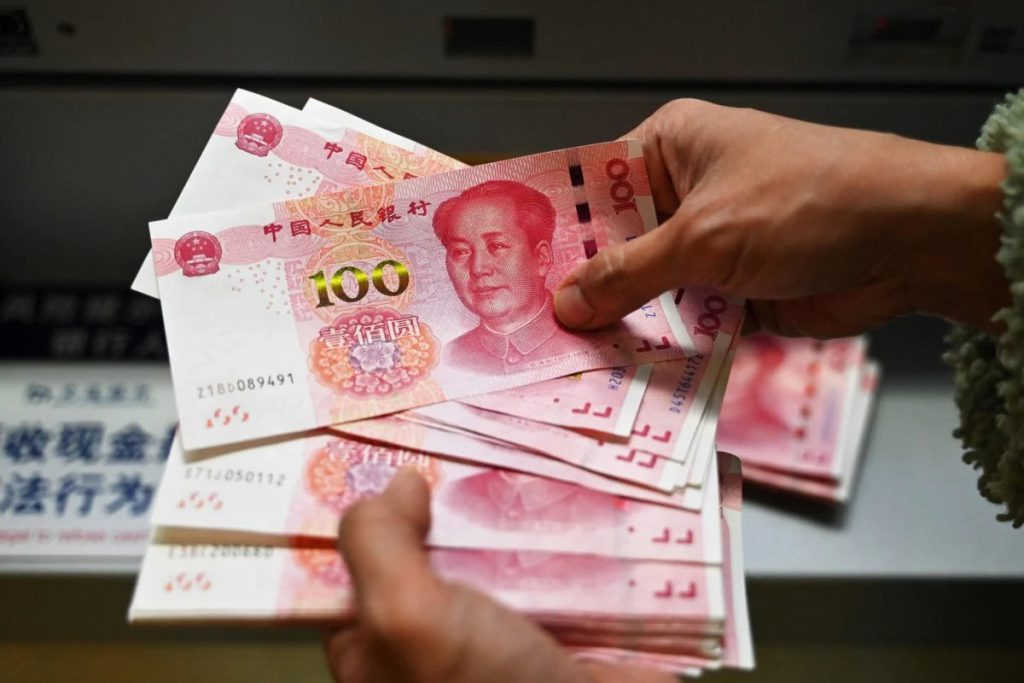
However, the yuan’s presence in the global sector is at its nascent stage. Financing in the local currency is slowly catching up with the rest of the world. While these are small steps, they are a result of the aggressive push initiated by the Xi Jinping administration.
Data from the payment messaging service SWIFT shows that the yuan accounts for approximately 3% of all global payments. It is an extremely small number when compared to the US dollar, which takes 50% of the settlements.