





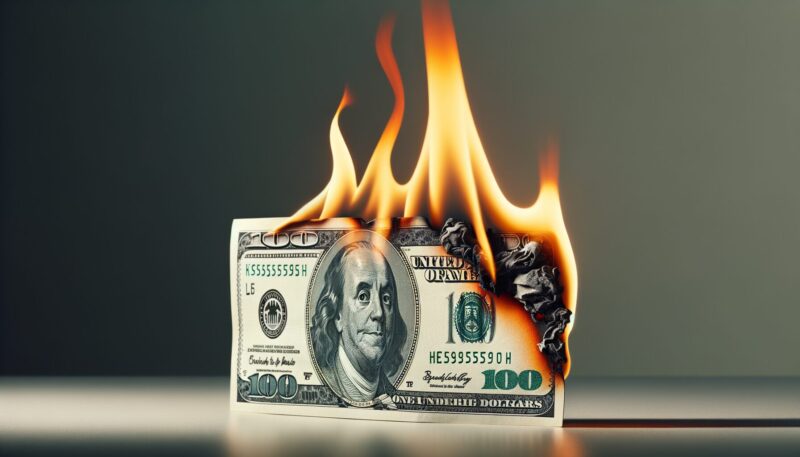
The BRICS de-dollarization plan remains incomplete as member nations continue to grapple with conflicting priorities and also the persistent strength of US dollar dominance in global markets right now. Despite various initiatives aimed at reducing reliance on the greenback, progress toward a unified BRICS common currency has actually stalled, while efforts to expand trade in local currencies are facing substantial obstacles along with policy disagreements.
Also Read: BRICS Export Surge: Up to $33M in Savings as Indonesia FTA Cuts Tariffs
BRICS De-Dollarization Faces Dollar Dominance And Policy Fragmentation
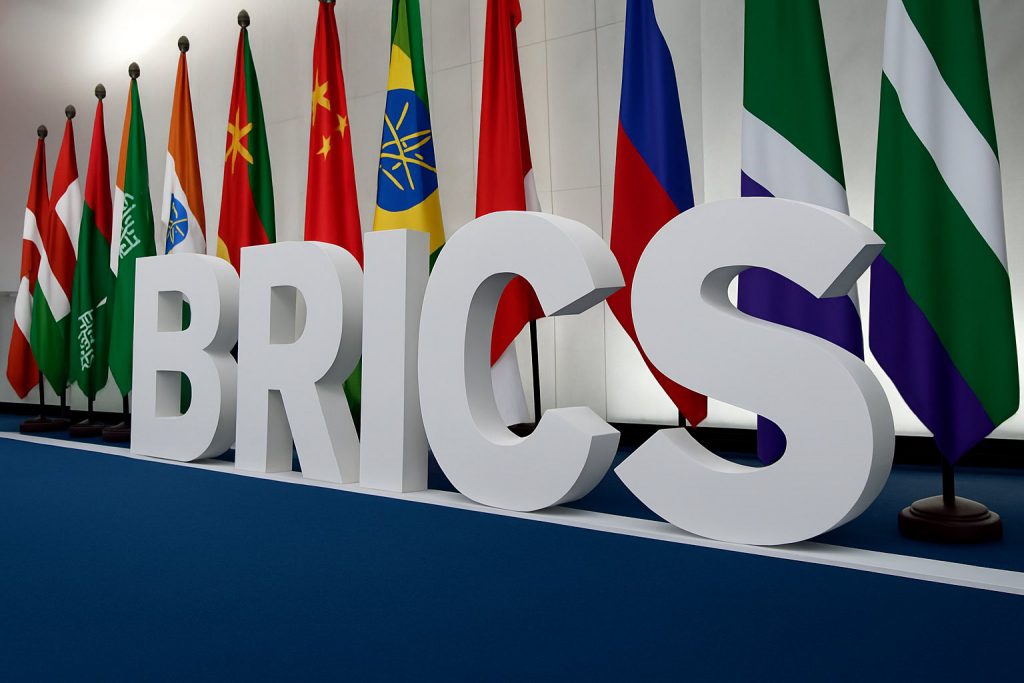
No Consensus Reached On A Common Currency
The BRICS de-dollarization plan continues to lack cohesion as major economies within the bloc are maintaining divergent positions on currency alternatives. Russian President Vladimir Putin stated:
“There is no rush, and by avoiding haste, you can avoid many grave mistakes.”
He also added in an interview with India Today:
“We do not have a goal to introduce a single currency into the BRICS, it must be done carefully and calmly.”
India’s External Affairs Minister S. Jaishankar reinforced this position back in March 2025, and he stated:
“The dollar as the reserve currency is the source of global economic stability, and right now what we want in the world is more economic stability, not less. I don’t think there’s a unified BRICS position on this.”
Brazil’s international affairs advisor Celso Amorim has also clarified the bloc’s stance on BRICS de-dollarization, stating:
“Many wonder if the US dollar will be abandoned. No one is planning to do that. The United States is a big country whose economy is crucial for the entire world. However, there still needs to be an alternative.”
Dollar Dominance Persists Despite Alternative Efforts
The BRICS de-dollarization plan is confronting the reality that over 60% of global trade transactions are still being denominated in dollars at the time of writing. Even as trade in local currencies has been expanded somewhat, Putin announced during his India visit:
“Our countries are gradually moving towards the use of national currencies for payment settlements. The share is 96 percent already in commercial payments.”
Yet challenges around the BRICS de-dollarization plan persist, as Putin also acknowledged when discussing rupee-ruble transactions:
“It’s not about rupees; it’s about what those rupees can buy, respectively, for our companies.”
President Trump has actually reinforced US dollar dominance through threats of sanctions, and he warned BRICS nations in February 2025:
“Any BRICS state that even mentions the destruction of the dollar will be charged a 150% tariff.”
Also Read: BRICS Quietly Exiting US Treasury Exposure, Offloads $27 Billion
The BRICS+ Unit payment instrument is remaining in testing phases right now. It’s consisting of 40% gold and also 60% BRICS currencies, yet it cannot function as a true BRICS common currency. As India assumes the BRICS presidency in 2026, the BRICS de-dollarization plan is facing continued uncertainty, with some progress on trade in local currencies representing incremental steps rather than a systemic transformation of US dollar dominance in global finance.