





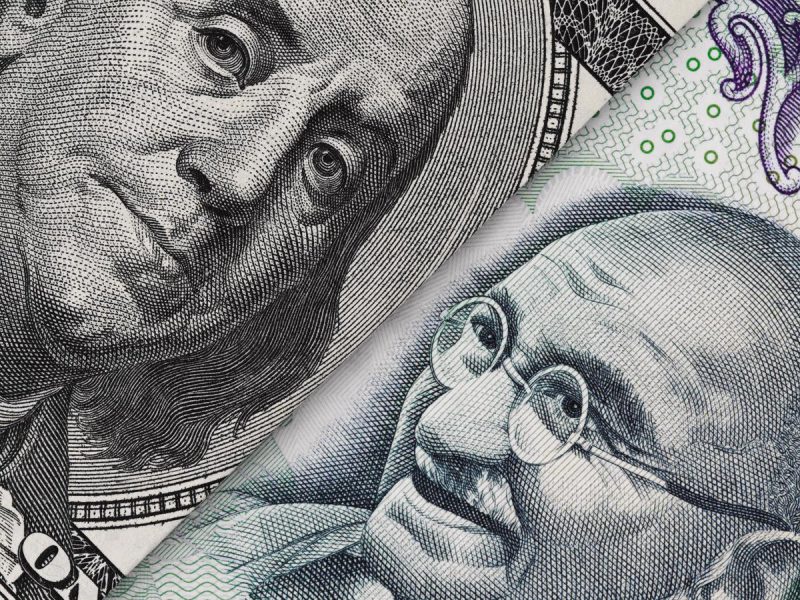
The Indian rupee is sinking against the US dollar in December and is falling to new multi-year lows. The INR plunged to an all-time low of 90.28 on Wednesday’s trading session. Discussions about the local currency plummeting to this level have been circulating in the markets for six months. The time of reckoning has arrived, and this number could be the new normal going forward.
Watcher Guru published a story in January predicting that the rupee would fall to the 90-92 level against the US dollar in 2025. During the time of the prediction, the INR was trading at the 85 range. It has dipped more than 6% since then, and the currency is now in turmoil. The fall comes at a time when the Modi government is planning to internationalize the currency. The ruthless dip has poured cold water on the roadmap to make the INR a de facto currency for transactions in Asia.
Also Read: Time To Hold, Buy, or Sell XRP Now? Here’s the Analysis
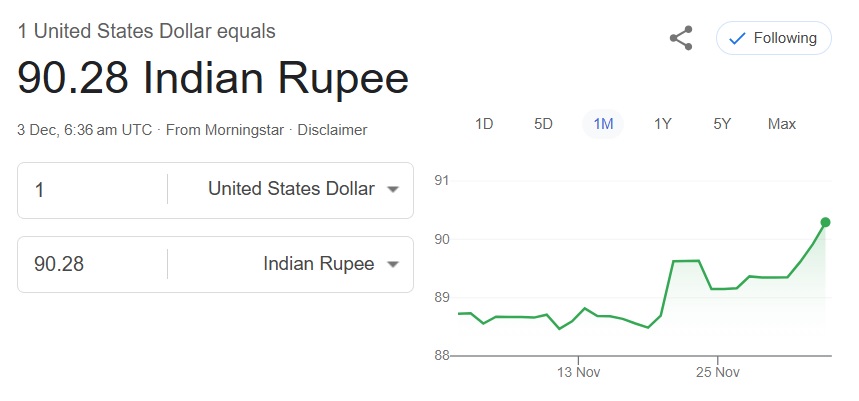
US Dollar Hammers the Indian Rupee, Pushing It To the 90 Mark
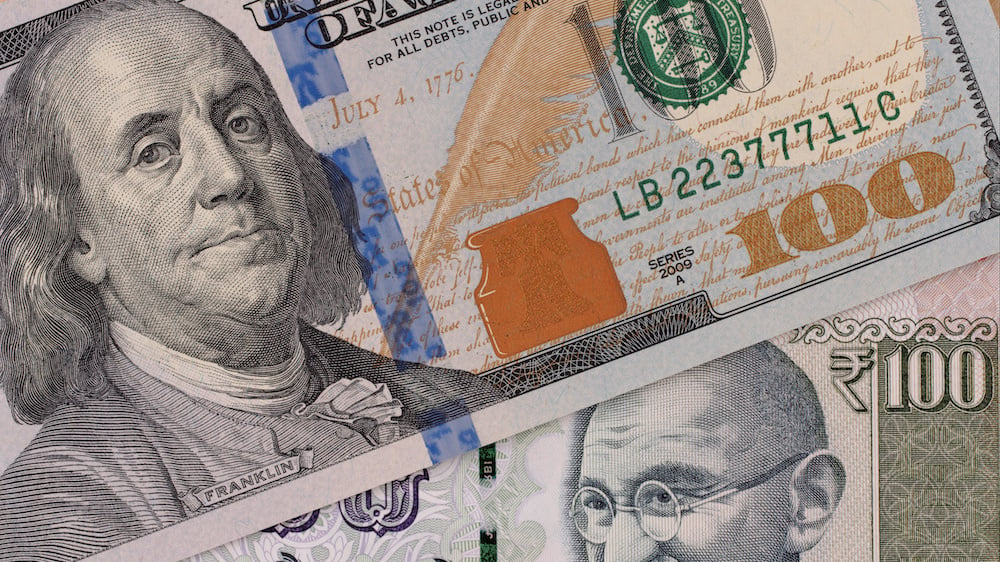
A quick recovery is unlikely, as the US-India trade deal has yet to be finalized. In addition, the Reserve Bank of India (RBI) is not intervening to protect the rupee by selling US dollars. The developments have hurt the prospects of the INR, allowing it to decline for six consecutive days. The import and export sector is the first to take the hit as the cost of the same goods has increased.
Also Read: Year-End Rally Loading? HSBC Says Conditions Favor Crypto Upside
Also, the import and export sector could incur a high cost on the consumer, directly leading to inflation. The cost of products would rise at a time when wages have mostly remained stagnant. Very few businesses would absorb the cost without burdening the consumer. The US dollar has been ruthless to the rupee in 2025, making it the worst-performing currency in the Asian markets.