





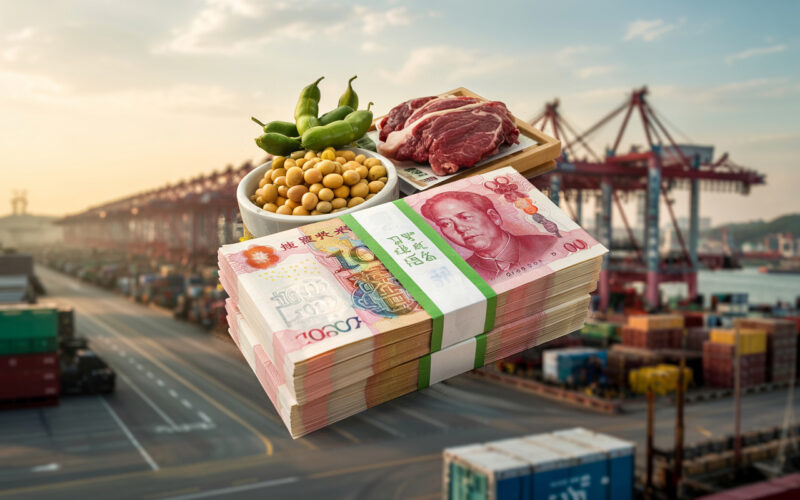
The conflict in the Middle East has disrupted the normal flow of oil, leading to a squeeze in supply for cooking and transportation purposes. Countries in the subcontinent, especially India, are facing a cooking gas crisis, with LPG available in limited quantities. It has already affected the hotel industry, with some eateries charging an extra 5% to customers. On the heels of the ongoing crisis, Russia has proposed that BRICS start a joint food reserve contingency to protect itself from collateral damage stemming from the US, Iran, and Israel conflict.
Russia, which is the world’s biggest wheat exporter, has proposed that BRICS take food security measures to safeguard itself from the conflict. Close to half of the world’s food is grown with fertilizers, and one-third of the global fertilizer trade passes through the Strait of Hormuz. The route has been closed for more than a month, leading to a shortage of supplies in the Asian region.
The creation of food reserves can benefit BRICS and not lead to rampant price rise for the everyday essentials. The war in the Middle East has posed serious risks to the supply industry, and fertilizer shortages exist. Moreover, the proposal is a wake-up call to prevent a future calamity from the catastrophe that the US and Israel create around the world.
Also Read: France Must Join BRICS & Cut All Ties With the US
BRICS Could Discuss Food Reserves in the Upcoming Summit
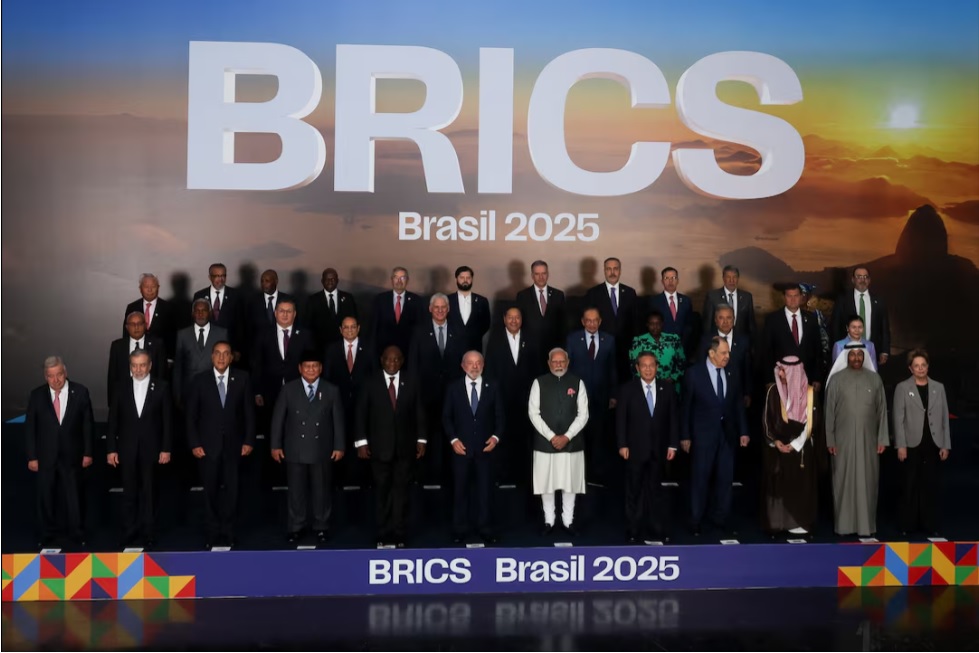
The BRICS alliance could discuss the formation of a joint food reserve in the upcoming summit in India. The 18th BRICS summit will see the 11-member alliance come together to discuss ways to protect their economies. “To ensure food security, it is highly important to expand cooperation with friendly countries, primarily the member states of the Eurasian Economic Union and BRICS, including through the creation of joint food reserves,” said Alexander Maslennikov, deputy secretary of Russia’s Security Council.